Local Students Bring Camp Kum‑Ba‑Yah’s History to the National Stage
A local story with national resonance: two CKBY campers have created an award‑winning documentary now earning statewide and Smithsonian recognition. We’re excited to cheer them on as their work continues to shine.
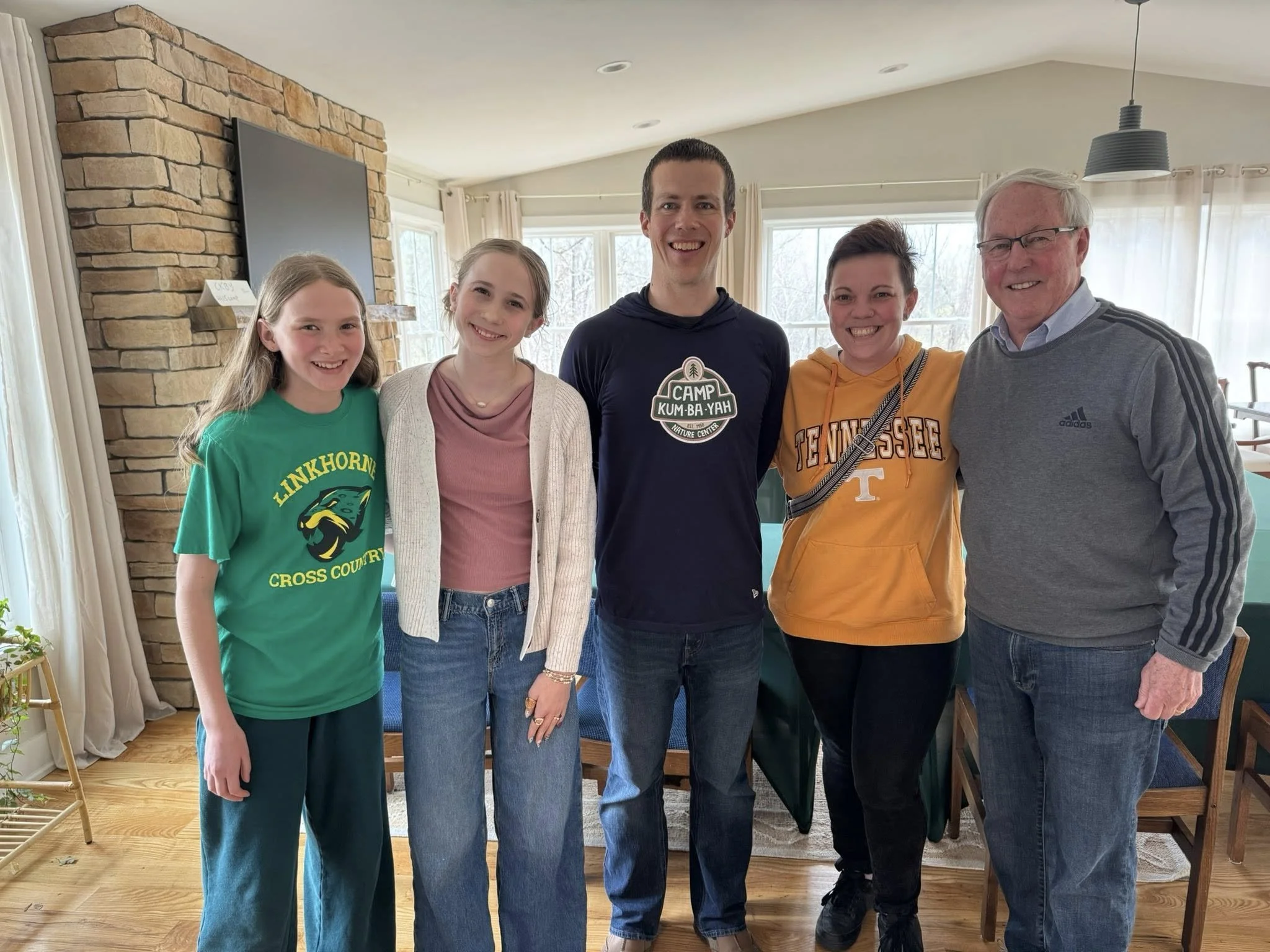
At Camp Kum‑Ba‑Yah Nature Center, we are overflowing with pride for two longtime campers and young historians, Sydney Huffman and Adalyn Sheaffer, whose award‑winning documentary From One Pool to a Revolution: Camp Kum‑Ba‑Yah and the Ripple of Inclusion continues to gain remarkable recognition across Virginia and the nation. Their project, which tells the story of the 1961 integration of the CKBY pools, has already earned top honors at the Virginia History Day state competition, where more than 400 students from across the Commonwealth competed after advancing from local contests that involved 1,200 students statewide. Virginia History Day is the state affiliate of National History Day, a program founded in 1974 that now involves over half a million students worldwide each year .
As part of their research, Sydney and Adalyn interviewed Randy Nelson, former Lynchburg City Council member, former CKBY camper and counselor, and current CKBY board member. Randy was just 10 years old in the summer of 1961 when, at Bev Cosby’s invitation, the first members of the African‑American community arrived at Camp Kum‑Ba‑Yah to swim in the pools. While many white families left the water in protest, Randy and his family remained in the pool, enduring jeers and harassment that day and in the years that followed. His firsthand account became a powerful centerpiece of the girls’ documentary and a living link between past and present.
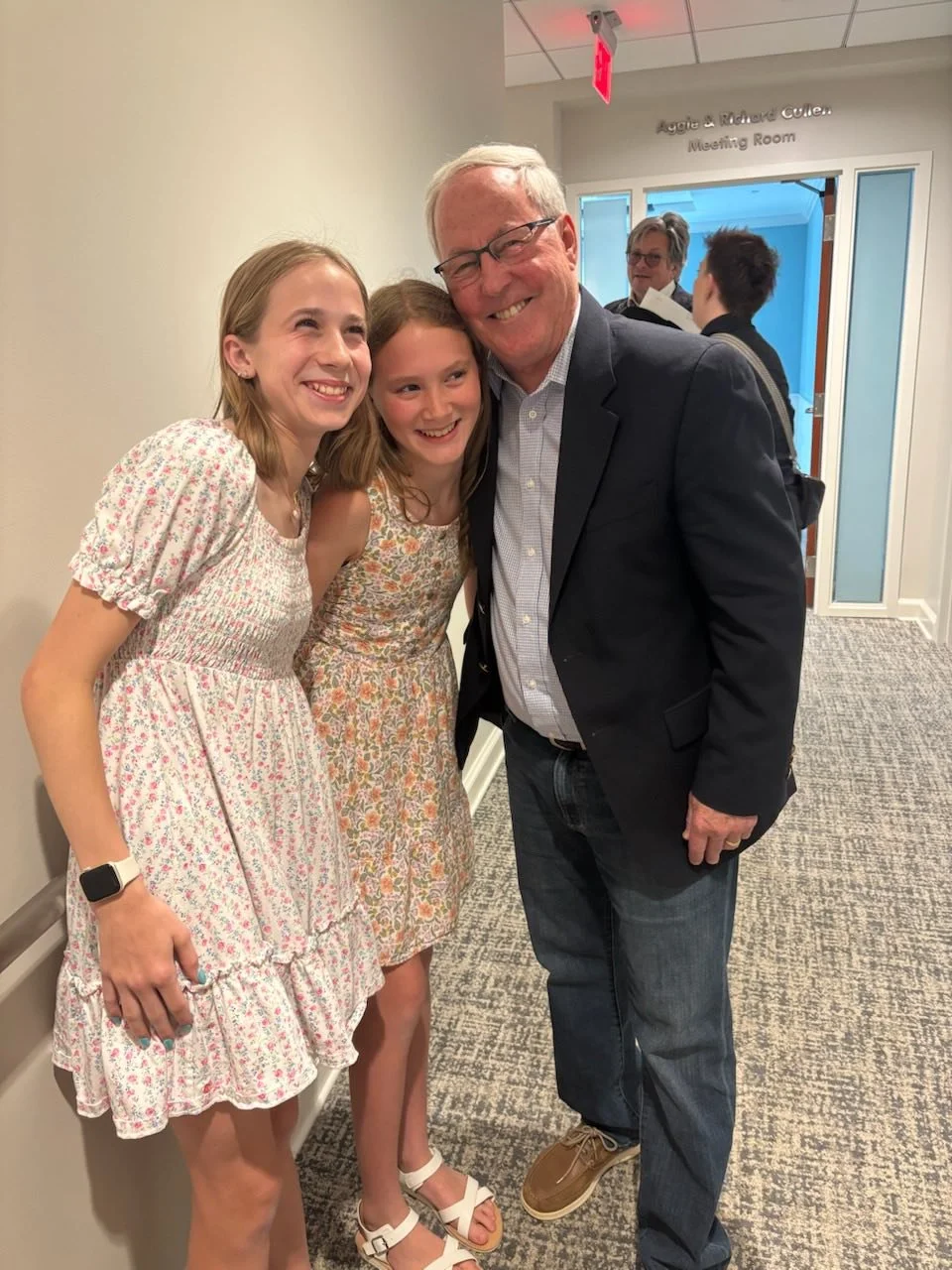
Their work has drawn attention not only from historians and educators but also from civic leaders. The Lynchburg City School Board recognized Sydney and Adalyn at its May 19 meeting, celebrating their achievements and the importance of the story they chose to tell. As their teacher, Ms. Tristin Burke, wrote in an email to the CKBY team: “Sydney and Adalyn's documentary on Camp Kum‑Ba‑Yah has been selected out of nearly 300 documentaries that were submitted to be showcased in the Oprah Winfrey Theater at the National Museum of African American History and Culture June 17th!” . This showcase selection, separate from the national competition, is an extraordinary honor and places their film on one of the most significant cultural stages in the country.
Sydney and Adalyn will also compete at the National History Day National Contest this summer, joining students from across the United States who advanced through local, regional, and state competitions.
To celebrate their achievements and the historic moment their film brings to life, Camp Kum‑Ba‑Yah Nature Center will host a special community event:
The Ripple of Inclusion: 65 Years, 75 Summers, 100 Years of Bev Cosby
Stories of Courage, Community, and Camp
Saturday, August 29, 2026 • 2:00–4:00 PMThe Joy & Lynch Christian Warehouse Theatre, Academy Center of the Arts
Free admission • Registration required
The program will feature:
A public screening of Sydney and Adalyn’s award‑winning documentary
Reflections from Randy Nelson
Additional community speakers who will help illuminate the legacy of that historic summer
From all of us at Camp Kum‑Ba‑Yah: Congratulations, Sydney and Adalyn. Your friends at camp are cheering you on, and we are honored that your work is helping share this vital piece of Lynchburg’s history with the world.
Supporting Our Counselors & Campers This Summer
Our counselors pour their energy and heart into creating a meaningful camp experience. You can help lift them up with small acts of support throughout the season.
Join the Camp Champions Effort
As we prepare for Camp Kum‑Ba‑Yah’s 75th summer, one theme has guided our Camp Champions committee: our counselors give so much of themselves to create a safe, joyful, and transformative experience for every camper.
This year, we want to surround them with the same warmth, encouragement, and community care that we know they will share with our campers.
To make that possible, we’ve created several opportunities for families, donors, and camp friends to get involved in simple, meaningful ways throughout the summer. These gestures, large or small, help our staff feel supported, valued, and connected to the broader CKBY community.
Ways You Can Support Our Counselors and Campers
Below are four Sign Up Genius opportunities where supporters can volunteer to provide encouragement, supplies, or assistance at key moments in the camp season.
Counselor Care Packages
Help us welcome our counselors into the summer with care packages that include practical items and notes of encouragement. These early‑season gestures set a positive tone for the weeks ahead. Sign up here: https://www.signupgenius.com/go/10C044AA8A92FAAFFC52-64205502-counselor#/
Weekly Counselor Support
Throughout the summer, we aim to keep spirits high with weekly treats, snacks, or small surprises for our staff. These simple acts of care make a meaningful difference during busy camp weeks. Sign up here: https://www.signupgenius.com/go/10C044AA8A92FAAFFC52-64303643-weekly#/
Camper Awards Assembly
At the end of each week, every camper takes home a personalized award celebrating their strengths, growth, and contributions to the camp community. Volunteers can help assemble these awards to ensure each camper receives something special. Sign up here: https://www.signupgenius.com/go/10C044AA8A92FAAFFC52-64254214-camper#/
Why This Matters
Counselors are the heart of summer camp. They are role models, problem‑solvers, cheerleaders, and caretakers. They guide campers through challenges, celebrate their successes, and help them grow in confidence, character, and connection.
By offering even a small gesture of support, you help create the kind of environment where counselors feel valued and energized, so they can continue giving their best to the children we serve.
Questions or Want to Learn More?
Please reach out to:
Kyle Simpson
Executive Director
434‑515‑2225
We are grateful for every member of the CKBY community who helps make this summer a meaningful one for our campers and staff.
Growing Native: CKBY’s Partnership with Wild Ones Greater Lynchburg Area
Camp Kum‑Ba‑Yah Nature Center is proud to partner with Wild Ones of the Greater Lynchburg Area to showcase native pollinator‑garden templates and demonstration plantings that help our community restore habitat and support local wildlife.
Camp Kum‑Ba‑Yah Nature Center is proud to highlight our growing partnership with Wild Ones of the Greater Lynchburg Area, a volunteer‑driven organization committed to restoring native landscapes and helping our community reconnect with the plants that sustain pollinators, wildlife, and healthy ecosystems. This collaboration has brought an exciting new resource to Lynchburg: a full suite of native plant pollinator‑garden templates designed specifically for our region. These free, easy‑to‑follow designs give residents a clear starting point for creating habitat at home, whether they’re working with full sun, part shade, or woodland conditions.
Each template includes a thoughtful plant list, spacing guide, and site‑preparation steps, all centered on species that are locally native to the Lynchburg area. The templates emphasize how native plants support bees throughout their life cycles, offering nectar, pollen, shelter, and overwintering habitat. For example, the Woodland Moist Soil design features Golden Ragwort, described as “a colony forming plant that has many yellow flowers that are used by Cuckoo Bees, Halictid Bees, and more,” and Common Blue Violet, which “attract spring flying bees, including a specialist, Violet Andrenid Bee” (from the uploaded templates). In the Full Sun & Part Shade Medium Soil design, visitors will find Slender Mountain Mint, which “attracts large amounts of pollinators, including many bees,” and Common Milkweed, whose fragrant blooms “hum with bee life during its June–August bloomtime.” These templates were created so that anyone—from first‑time gardeners to seasoned native‑plant enthusiasts—can confidently build habitat that is both beautiful and ecologically meaningful.
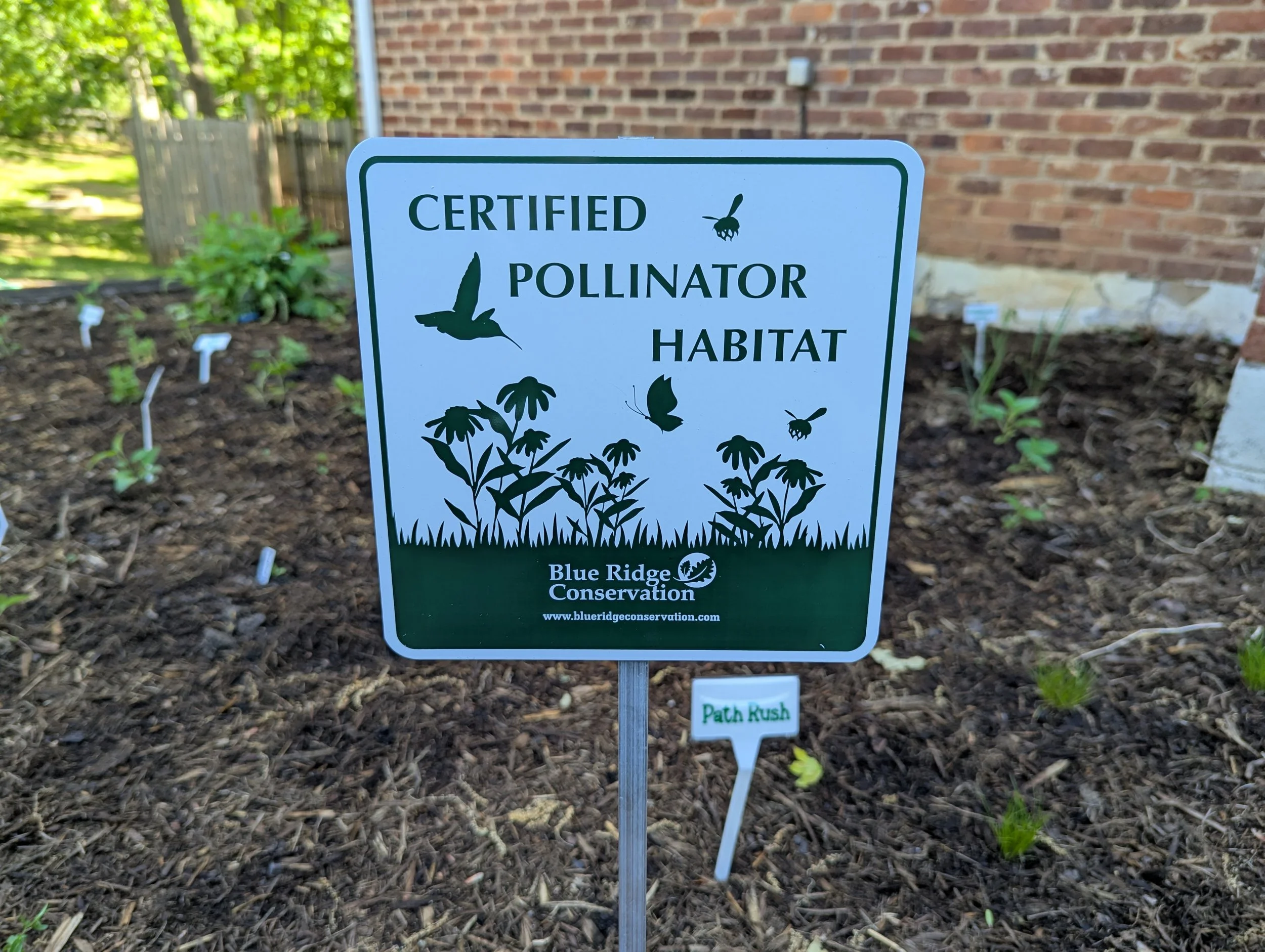
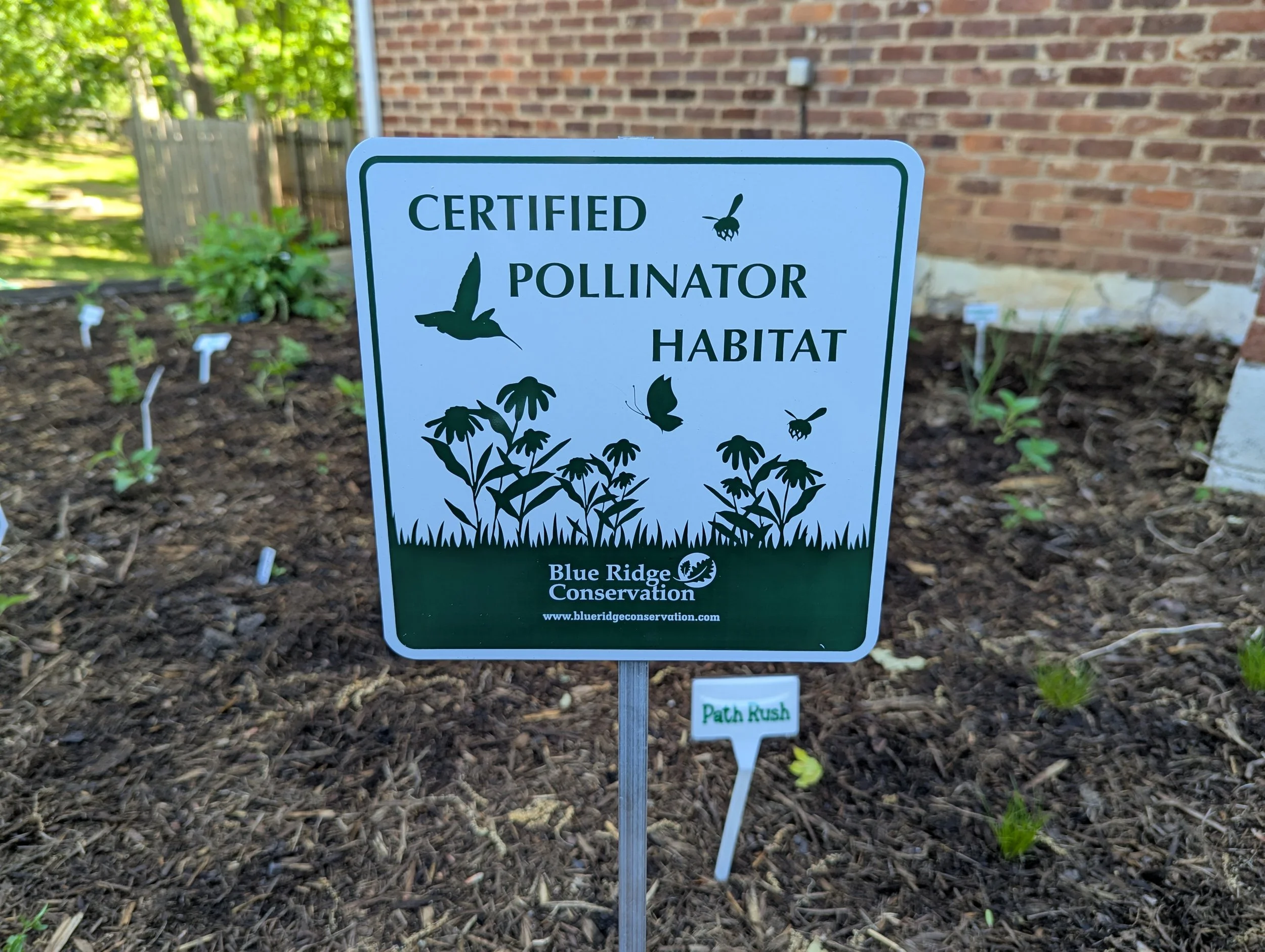
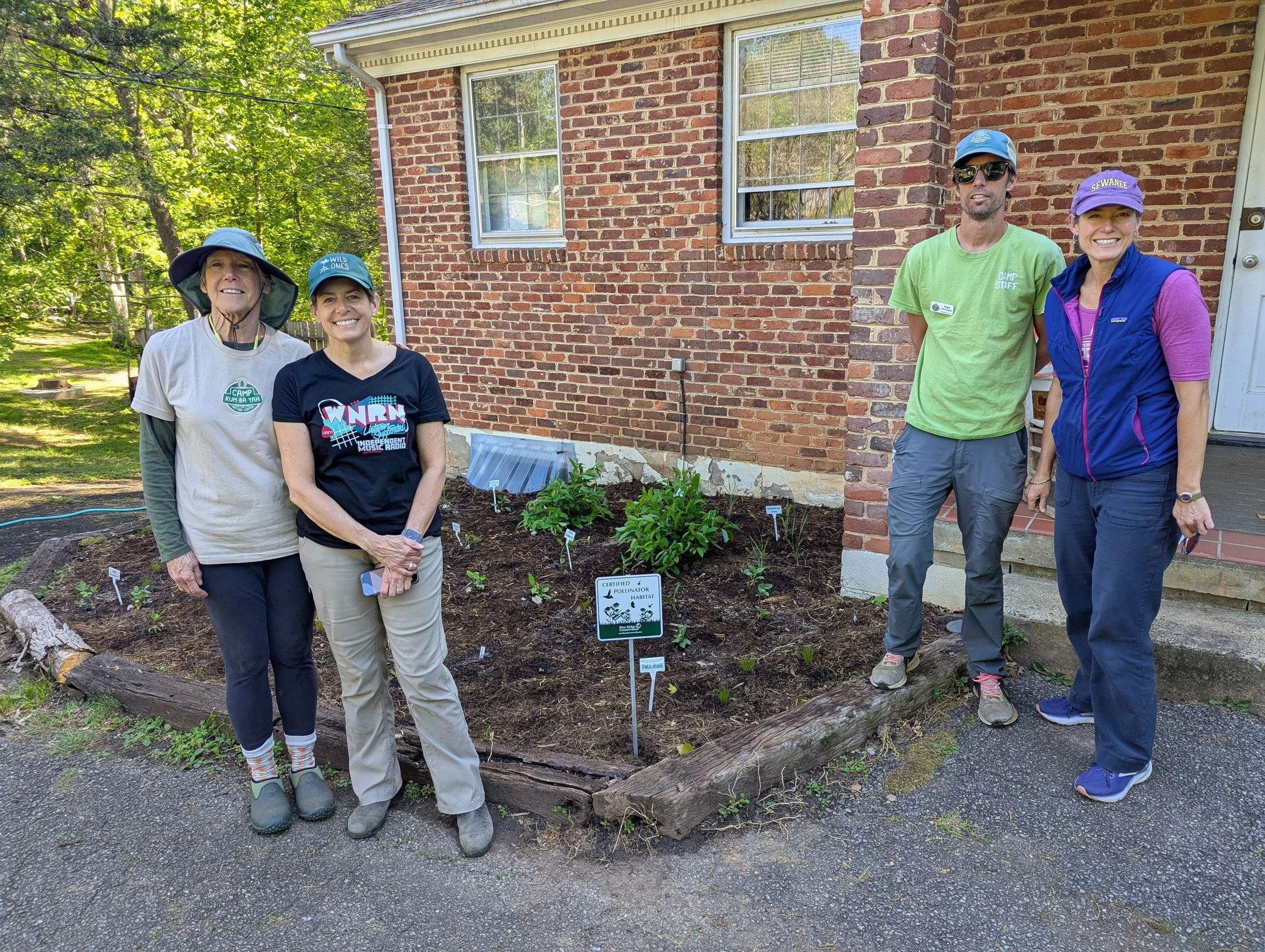
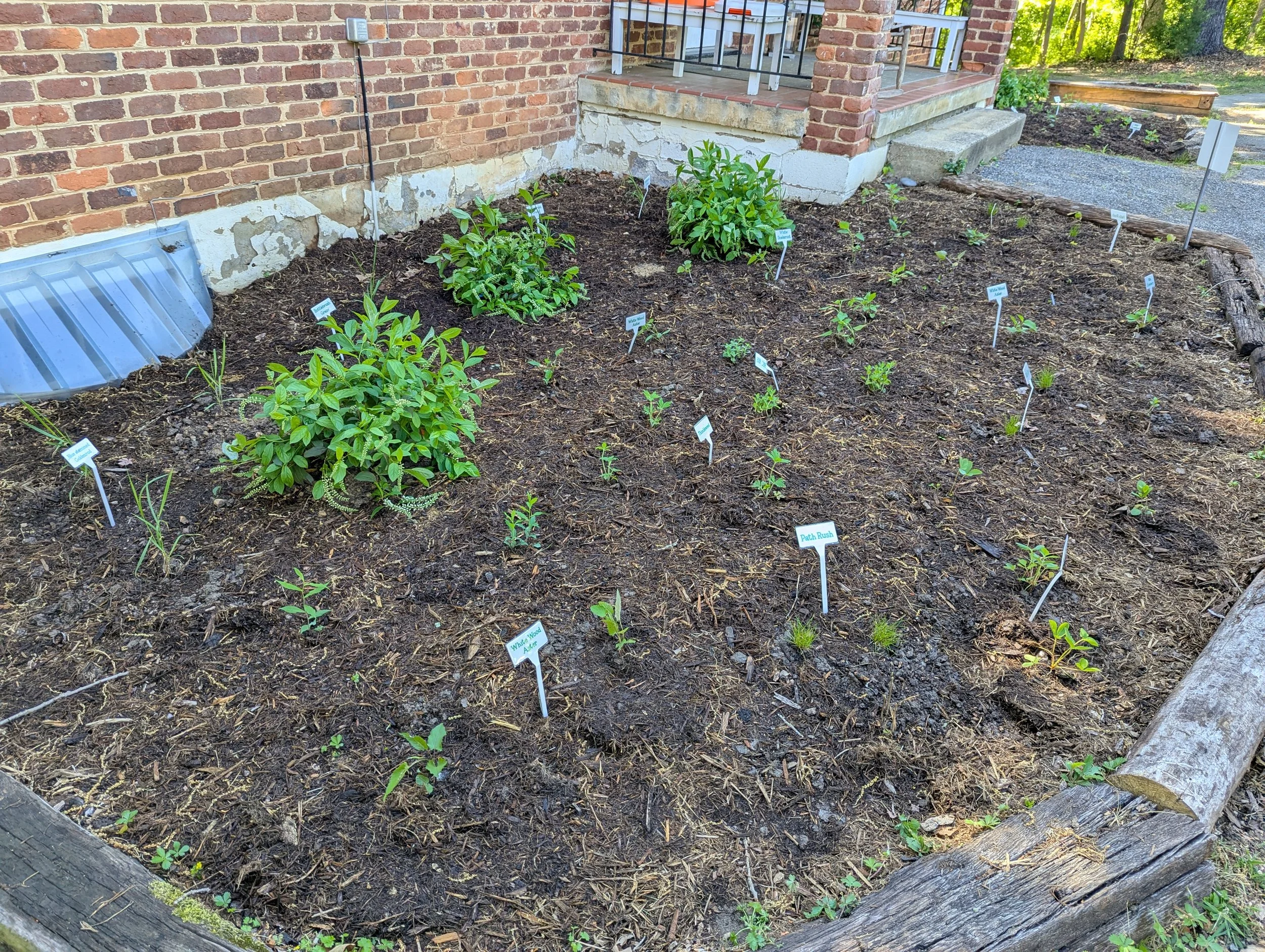
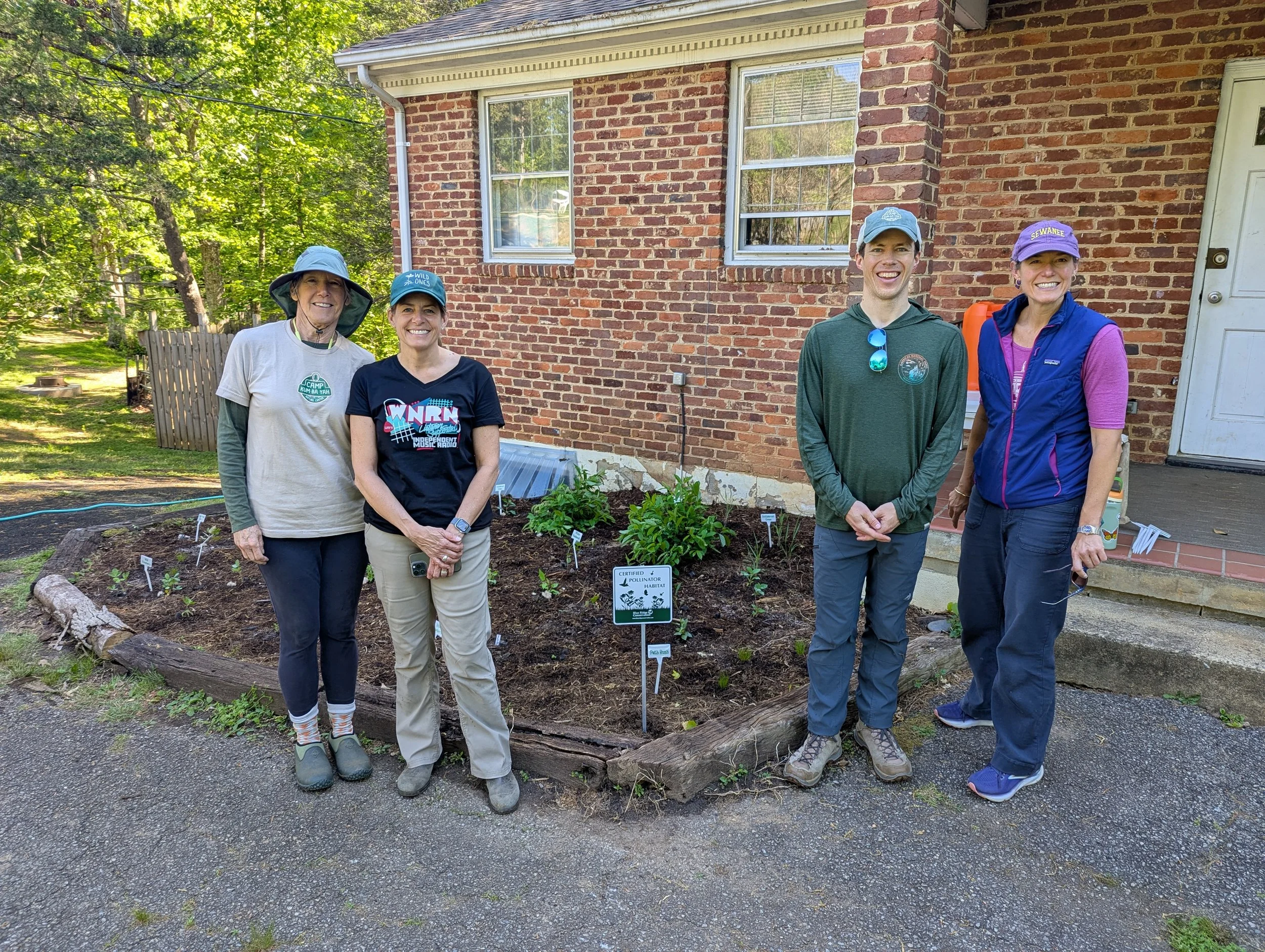
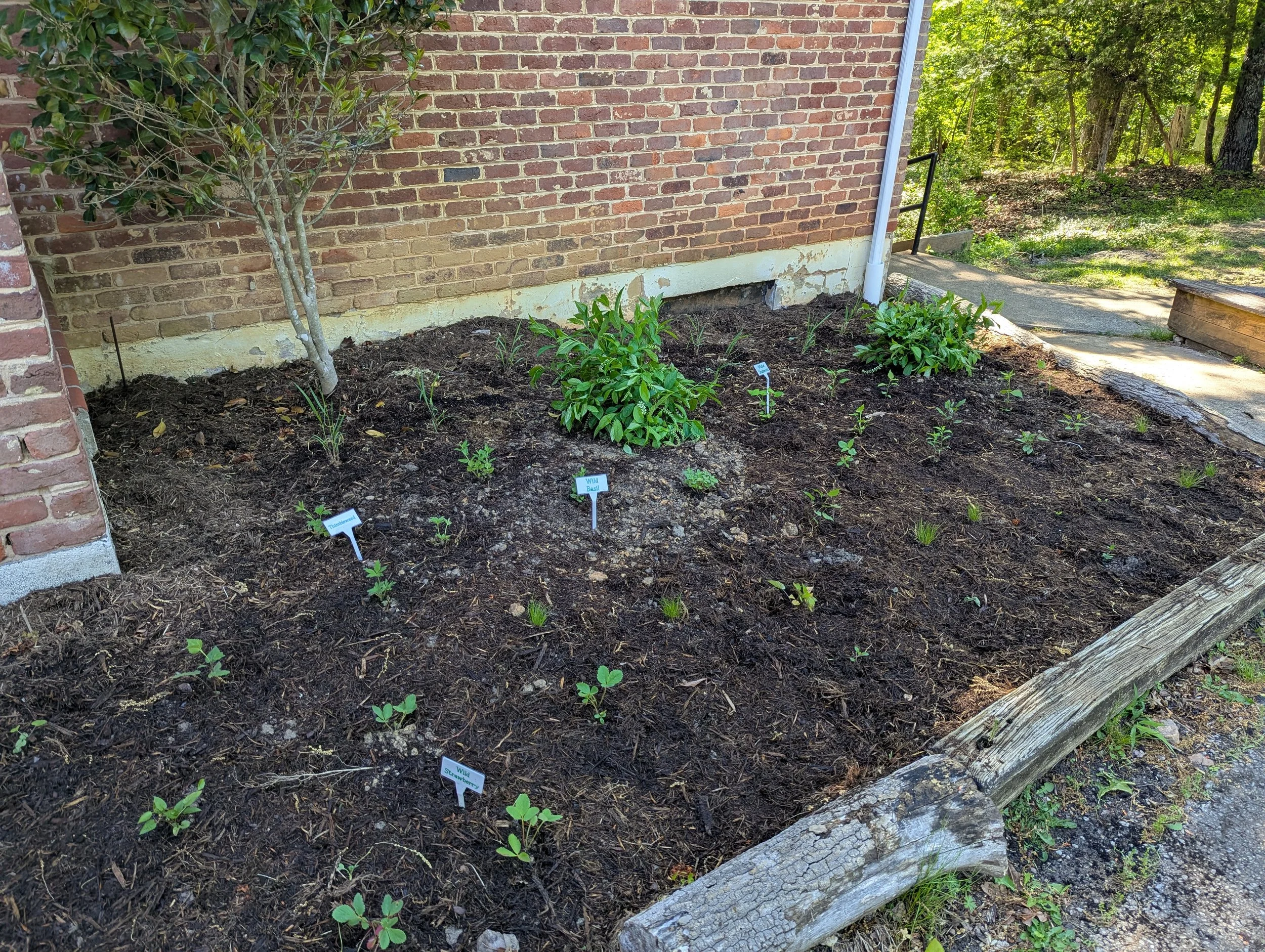
To help residents visualize what these gardens look like in practice, Wild Ones has installed demonstration plantings at several prominent locations around Lynchburg, including right here at Camp Kum‑Ba‑Yah. At CKBY, they established both full‑sun and shaded woodland gardens, showcasing how native species thrive in different conditions and how a diverse planting can provide nectar from early spring through late fall. These gardens demonstrate the value of structural variety, from low groundcovers to tall grasses and flowering perennials, and highlight species that support specialist bees, cavity‑nesting bees, and overwintering insects. For the many families, school groups, and community members who visit camp, these plantings serve as living classrooms—places where people can see how native plants transform even small spaces into vibrant habitat.
The Wild Ones Greater Lynchburg Area Chapter offers a wealth of resources for anyone interested in learning more. Their website features downloadable garden designs, educational events, reading lists, and opportunities to join a community of people dedicated to ecological gardening. Their mission is rooted in helping people understand the importance of native plants and giving them the tools to make meaningful changes in their own yards and neighborhoods. You can explore their work and access their resources at greaterlynchburgarea.wildones.org.
We are deeply grateful for Wild Ones’ partnership at Camp Kum‑Ba‑Yah and for the expertise and generosity they bring to our community. Their work strengthens our mission to connect children and families with the natural world and to steward our 47‑acre urban forest with care and intention. As we move into the growing season, we wish all our readers a fruitful, inspiring year in the garden—may your spaces buzz with life, color, and the joy of supporting the wild things that make our world whole.
Camp Kum‑Ba‑Yah Welcomes Kerry Silva as Director of Finance
Camp Kum‑Ba‑Yah Nature Center Welcomes Kerry Silva as Director of Finance
Camp Kum‑Ba‑Yah Nature Center is pleased to welcome Kerry Silva as our new Director of Finance, beginning April 2026. Kerry steps into this role after several years of dedicated service as CKBY’s volunteer Board Treasurer, where she strengthened our financial reporting systems, supported major capital planning efforts, and helped guide the organization through a period of growth and renewed community investment.
Kerry brings a deep well of experience in operations, financial oversight, and organizational systems from her work in the aerospace industry, the U.S. military, and nonprofit governance. Her background includes managing complex projects, coordinating cross‑functional teams, and developing efficient administrative processes—skills that directly support CKBY’s year‑round programming, scholarship administration, and long‑range planning. She is passionate about building strong, reliable systems that allow mission‑driven programs to thrive.
In her new role, Kerry oversees budgeting, financial management, and the operational systems that keep our 47‑acre campus and summer camp running smoothly. She works closely with families receiving scholarships, helping remove financial and logistical barriers so that every child can participate fully in camp and school‑year programs. As a proud camp mom herself, Kerry brings both professional expertise and personal commitment to ensuring CKBY remains a safe, welcoming, and inclusive place for all children to explore, learn, and grow.
Reflecting on her transition into this role, Executive Director Kyle Simpson shared: “We are very excited to have Kerry move into this new role with Camp Kum‑Ba‑Yah Nature Center. She has been an instrumental part of the growth and success of the organization over the past several years, bringing structure, accountability, and thoughtful insights to this mission. Her support will allow us to even better serve our campers, families, and community in the years ahead.”
We are grateful for Kerry’s leadership and thrilled to welcome her into this new chapter with CKBY.
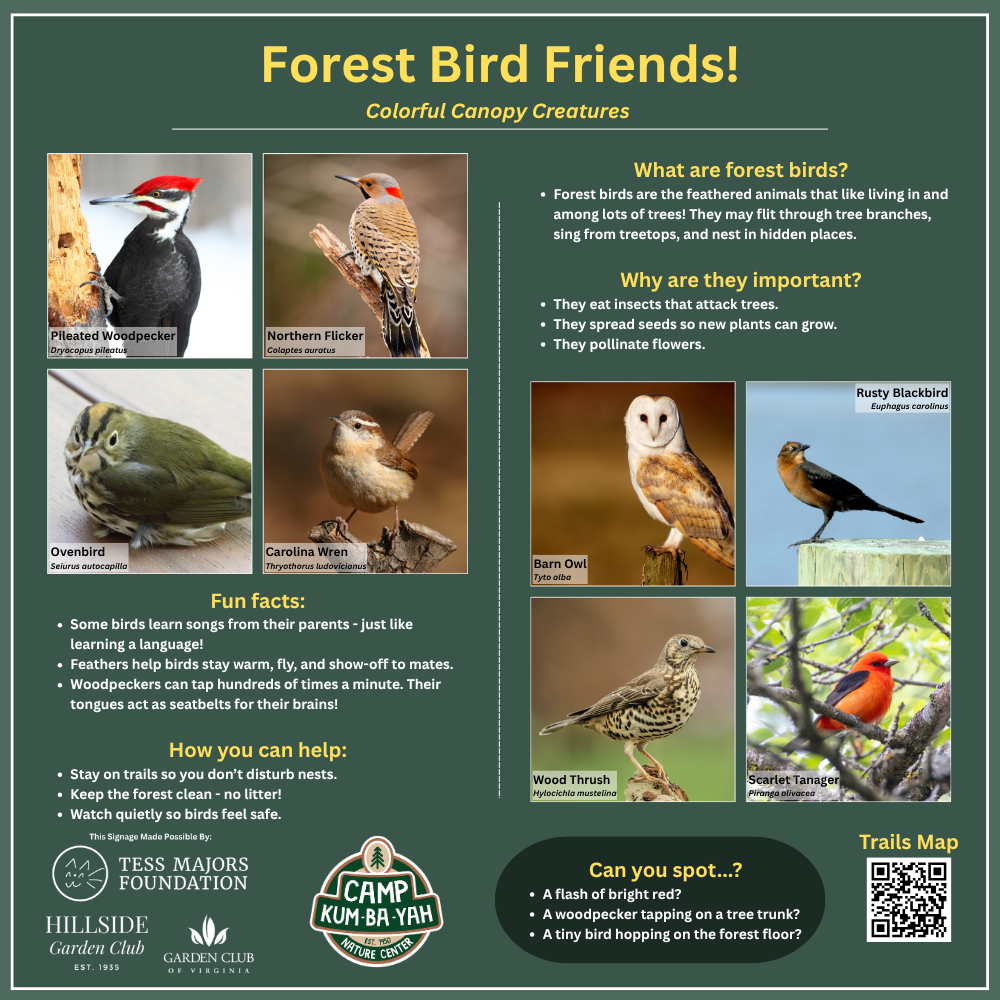
New Trail & Interpretive Signs at CKBY!
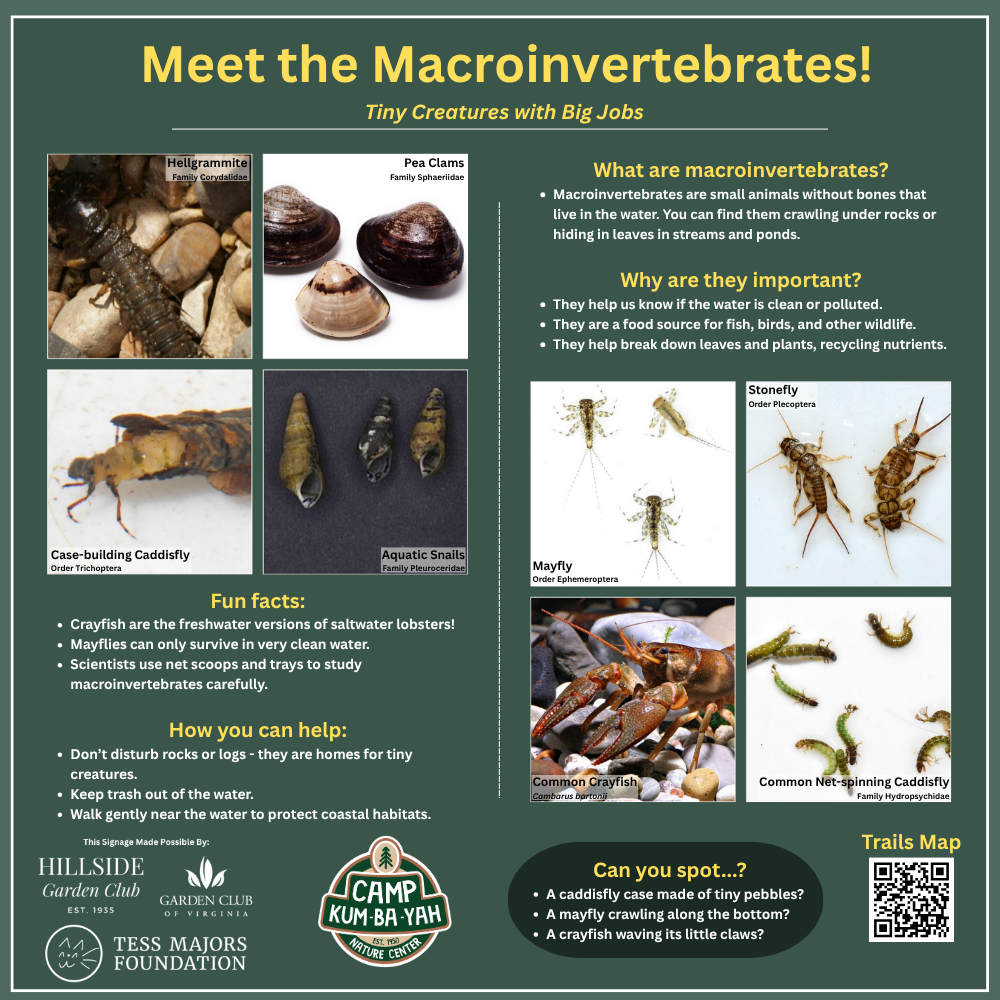
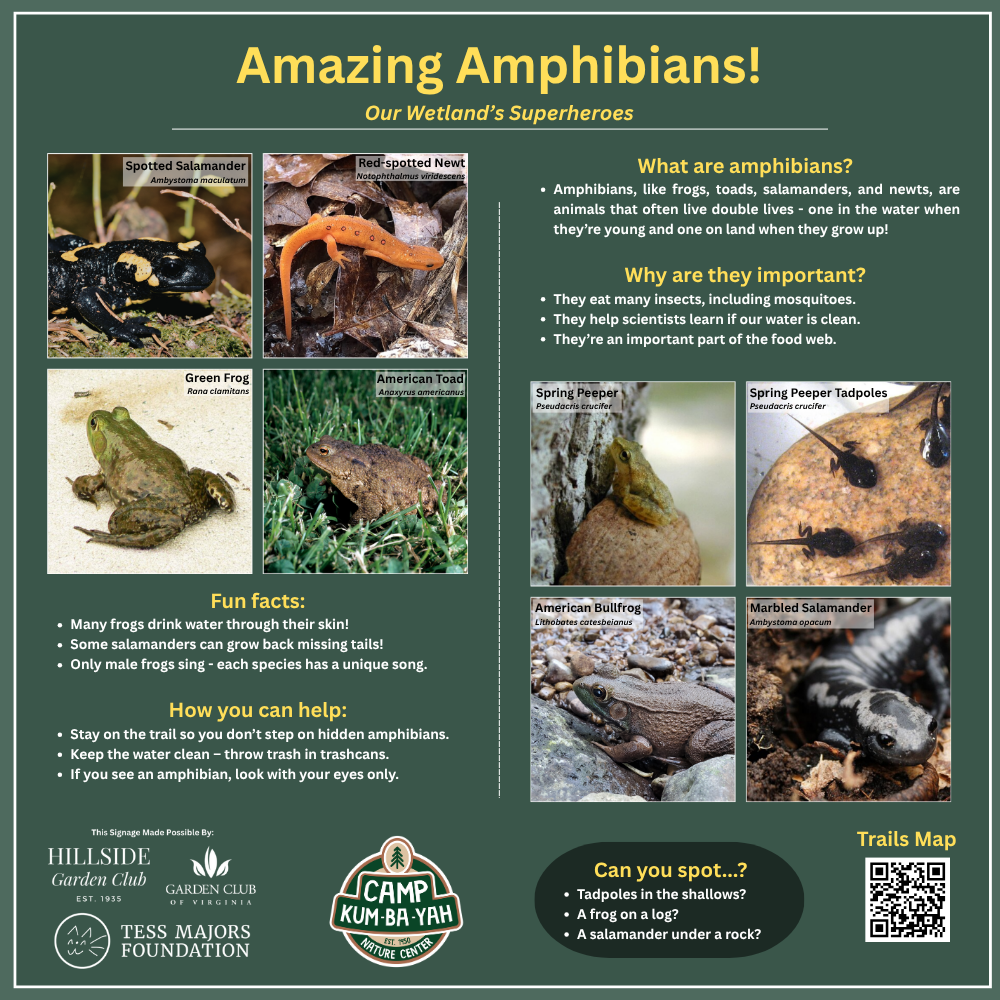
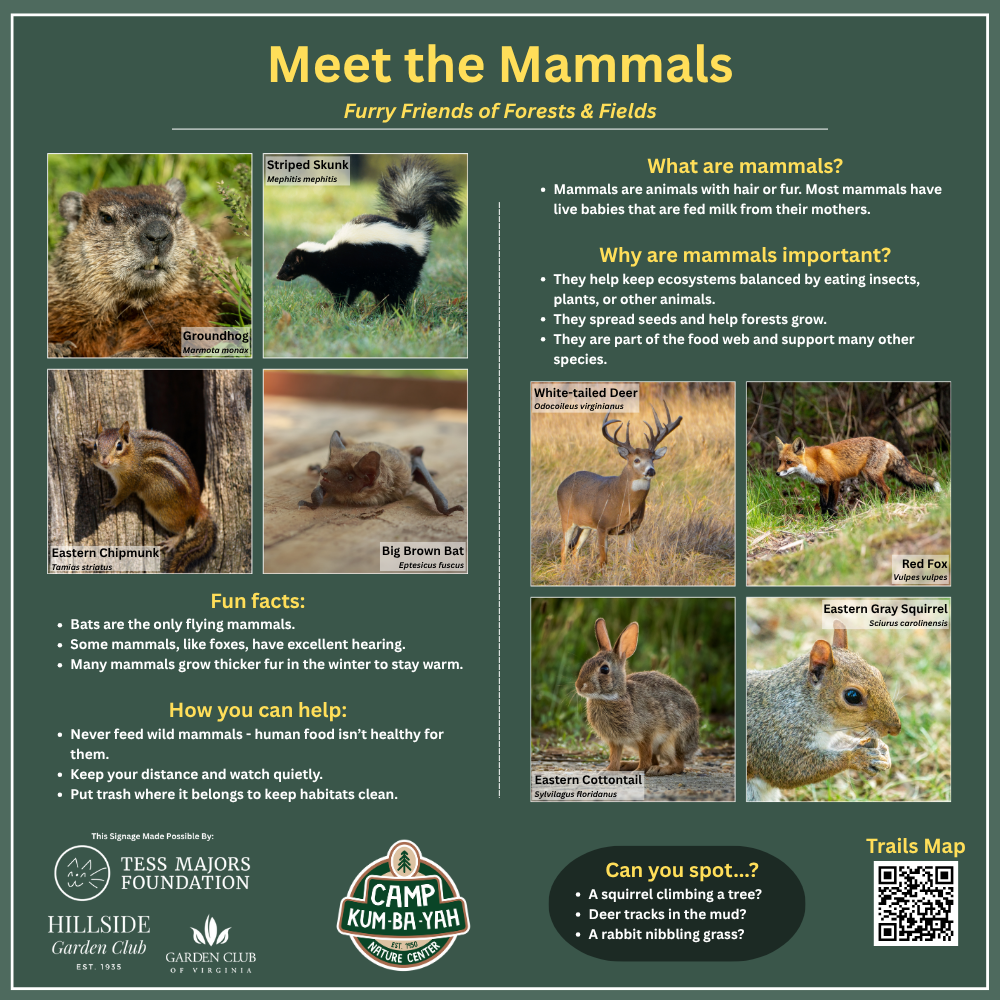
New trailhead and interpretive signage will be appearing all across CKBY Nature Center’s campus this spring thanks to generous support from the Garden Club of Virginia, Hillside Garden Club, & the Tess Majors Foundation.
This spring, visitors to Camp Kum‑Ba‑Yah Nature Center will find our trails transformed by a new system of trailhead signs and kid‑friendly interpretive panels: an exciting step forward in making our woods easier to explore and richer in learning for children, families, and school groups. This project has been made possible through the generosity of three wonderful partners: the Garden Club of Virginia, Hillside Garden Club, and the Tess Majors Foundation. Their shared commitment to conservation, education, and access to nature has brought a long‑imagined vision to life.
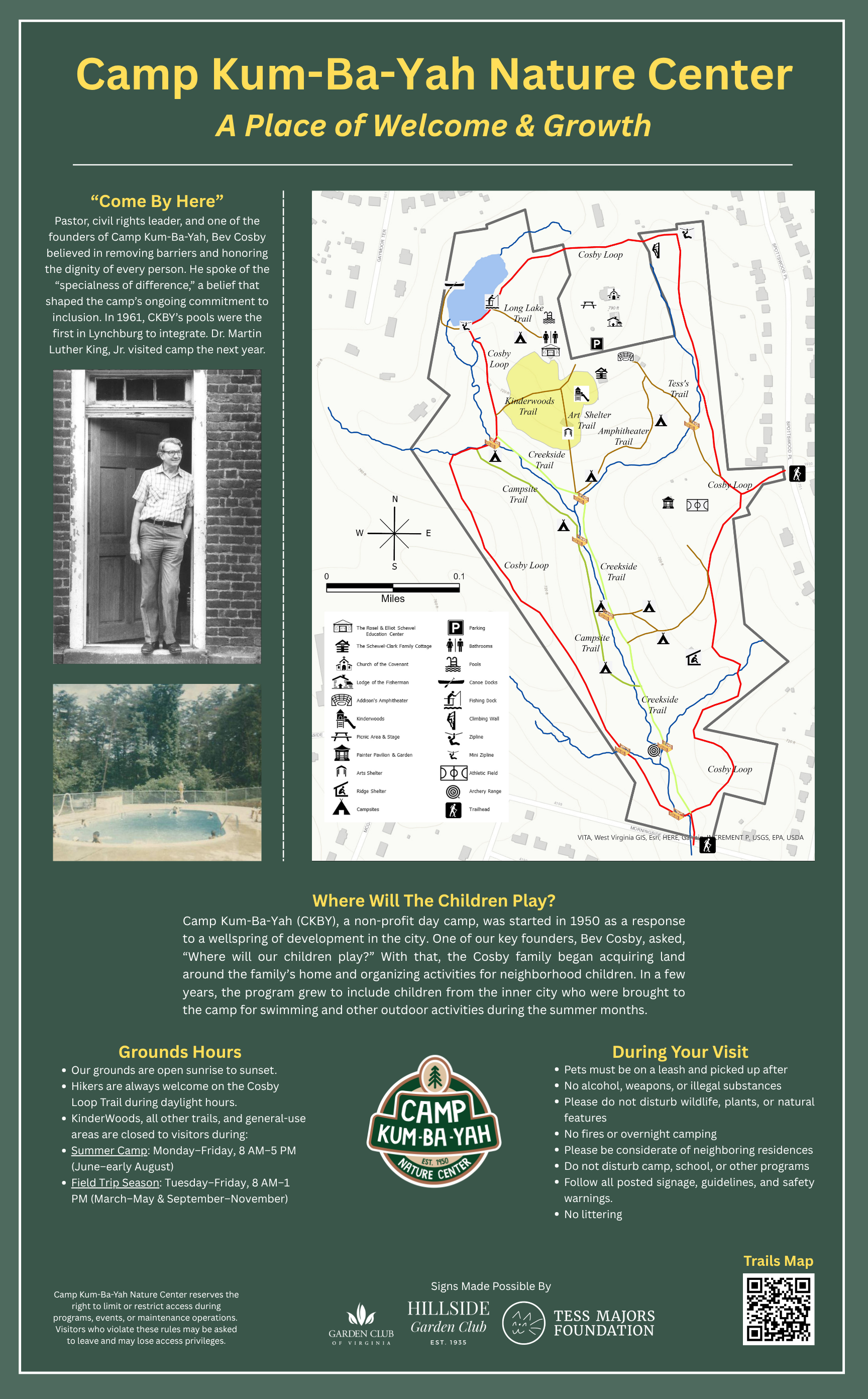
The 1.2 mile Cosby Trail, which circles our 42‑acre property and connects directly to nearby neighborhoods and Bedford Hills Elementary School, has quickly become a beloved community resource. Yet many first‑time hikers, especially families with young children, have needed clearer guidance to feel confident exploring the woods. Thanks to the Garden Club of Virginia’s Bessie Bocock Carter Conservation Award, secured by Hillside Garden Club, we are now able to install a comprehensive trail‑marking system that includes a new color‑coded map, directional signage, and QR‑linked digital maps that can be updated as our trail system evolves. Hillside Garden Club, founded in 1935 and long dedicated to conservation and civic planting in Lynchburg, has been a natural partner in this work, and we are grateful for their leadership in bringing this project forward.
The Tess Majors Foundation has also played a meaningful role in supporting both trailhead and interpretive signs that will appear across the CKBY campus. The foundation, which honors Tess’s love of music, nature, and creativity, supports programs that expand access to outdoor learning and the arts for young people. Their volunteer‑run model ensures that nearly every donated dollar goes directly to community projects, and Camp Kum‑Ba‑Yah is honored to have a trail dedicated in Tess’s memory. The new educational panels in these wooded spaces will help children connect with the forest in ways that are joyful, curious, and grounded in care for the natural world.
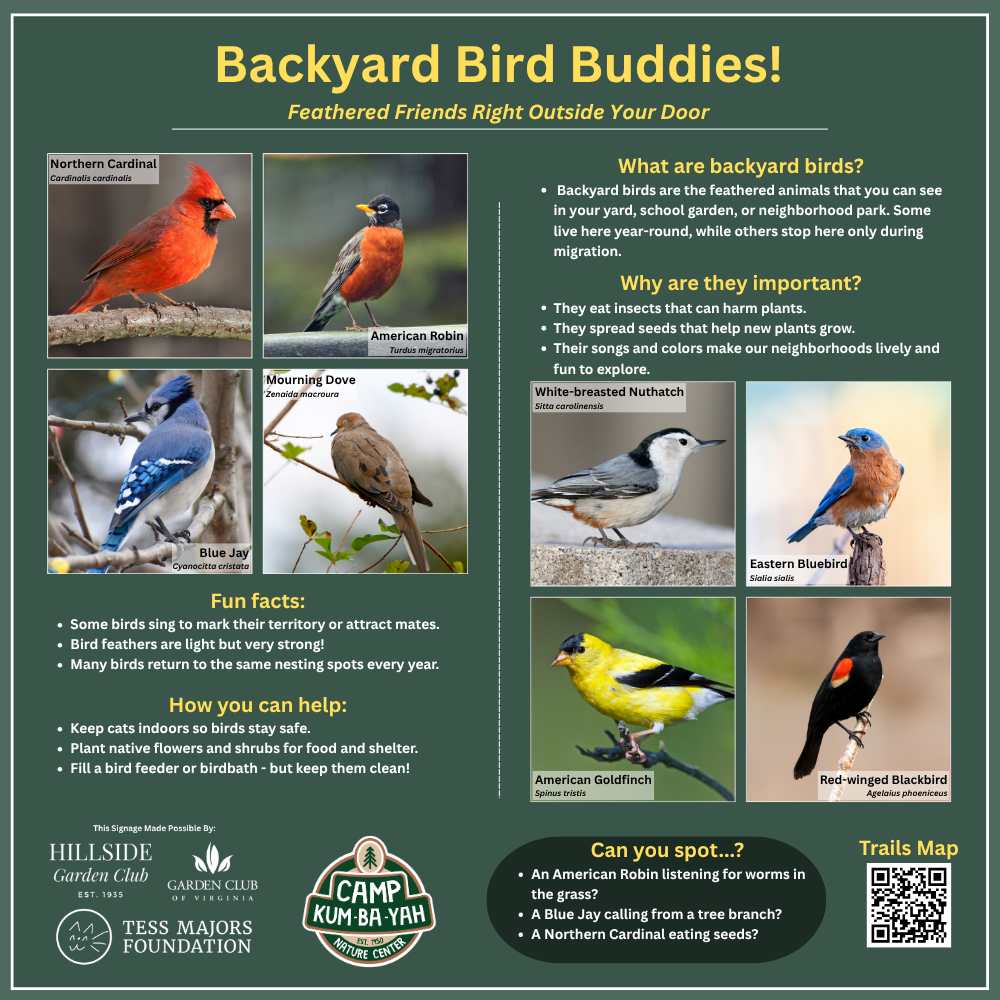
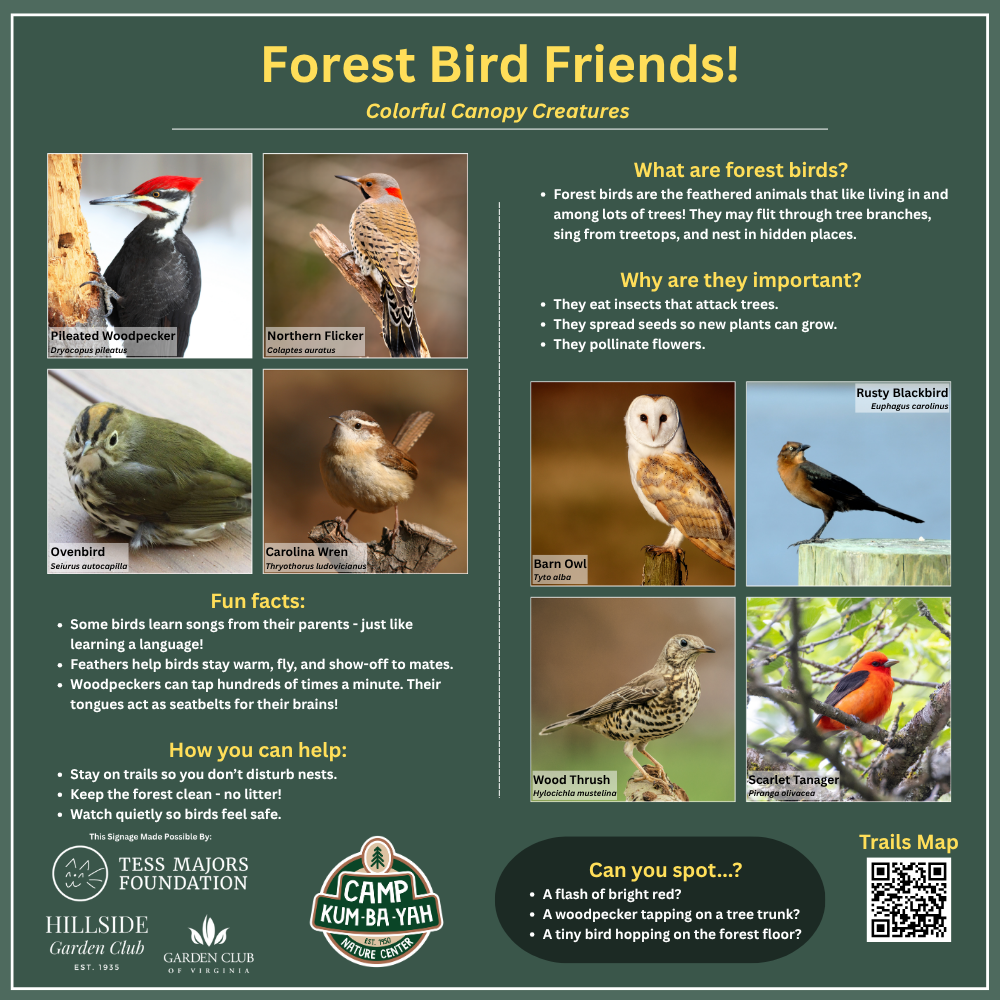
The interpretive content itself was created with young learners in mind. Dr. Erin Heller of Randolph College wrote the educational text for each panel, introducing children to amphibians, macroinvertebrates, forest birds, mammals, and backyard birds through fun facts, simple explanations, and “Can you spot?” challenges designed to spark curiosity. The content was then edited by Dr. Sarah Sojka, CKBY board president, camp mom, and fellow Randolph College professor, ensuring that each sign is both scientifically accurate and developmentally accessible. These panels invite children to slow down, look closely, and discover the hidden life of the forest.
We are also deeply grateful to Dr. David Perault, CKBY board member, camp dad, and University of Lynchburg professor, for creating the new trail map featured on the trailhead signage and on our website. His work provides the clear, intuitive orientation that makes the entire system easy to navigate for families and school groups alike.
Together, these contributions create a trail experience that is more welcoming, more educational, and more accessible to all. As the signs go up this spring, we look forward to seeing children follow the color‑coded paths, families pause to learn about the creatures that share our woods, and community members explore the Cosby Trail with confidence and curiosity. We are grateful to the Garden Club of Virginia, Hillside Garden Club, and the Tess Majors Foundation for helping us deepen our mission of connecting people to nature, one trail marker, one sign, and one young explorer at a time.
Remembering Dr. Martin Luther King Jr.’s 1962 Visit to Lynchburg and Camp Kum-Ba-Yah
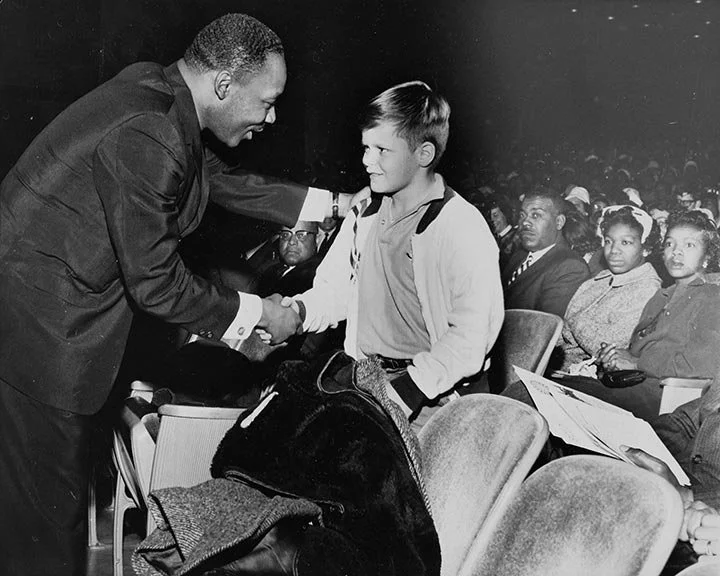
Remembering Martin Luther King Jr.’s 1962 visit to Lynchburg and visit to Camp Kum-Ba-Yah.
On March 27, 1962, Dr. King visited Lynchburg as part of his People‑to‑People Tour across southern Virginia. The visit was focused on voter registration, nonviolence, and encouraging young people and community members to continue the long work of justice and equality. The day culminated with a public address at E.C. Glass High School, following a series of other gatherings and visits across Lynchburg.
Camp Kum-Ba-Yah Nature Center occupies a unique place in Lynchburg’s Civil Rights history, having played host to a portion of Martin Luther King, Jr’s 1962 visit as well as other significant events in the year leading up to it. Themes of welcome, inclusion, and appreciation for diversity span CKBY’s founding, history, and ongoing mission today.
Lynchburg and the Road to 1962
Dr. King’s visit to Lynchburg in 1962 occurred during a period of growing local engagement with the national Civil Rights Movement. In December 1960, six college students, later known as the Patterson Six, staged a peaceful sit‑in at the segregated lunch counter inside Patterson’s Drug Store. Their refusal to leave, and the arrests that followed, marked one of the city’s earliest and most visible challenges to segregation in public accommodations. The sit‑in drew attention to the everyday realities of racial exclusion in Lynchburg and underscored the role that students, faith leaders, and community members were beginning to play in advancing nonviolent protest.
Only a few months later on July 4th, 1961, as the City of Lynchburg chose to close its public swimming pools rather than integrate them, Rev. Bev Cosby, a founder of Camp Kum-Ba-Yah, chose to welcome members of the African-American community to use the camp pools. Most white families who were swimming at the camp pools that day got out, refusing to swim with neighbors of color. Those families who remained to share the pools faced harassment, threats, and vandalism in the months that followed. Additionally, all but 9 campers were withdrawn from summer activities at the camp in protest.
Integrating the camp pools was not Cosby’s first effort towards creating inclusive and desegregated spaces in Lynchburg. At the time, Camp Kum-Ba-Yah was interwoven with Cosby’s church congregation: The Church of the Covenant, which remains on the same property as the camp just off Boonsboro Rd. Modeled after The Church of the Saviour in Washington D.C., and started by Bev’s brother Gordon Cosby, the Church of the Covenant was established in 1954 as one of the first intentionally, racially integrated churches in Lynchburg. The church’s coffeeshop, the Lodge of the Fisherman, opened in 1962 as as a place “where genuine conversation and dialogue could take place.” Bev Cosby was a leader and founding member of both the camp and church, which were not distinct entities until 1983.
Dr. King at Camp Kum-Ba-Yah
When Dr. King arrived in Lynchburg in the spring of 1962, Cosby’s leadership had already positioned Camp Kum-Ba-Yah as a meaningful site in Lynchburg’s ongoing Civil Rights movement. King was fed lunch at the Lodge of the Fisherman, then the only integrated dining establishment in Lynchburg, aside from the Lynchburg General Hospital cafeteria. Bev Cosby and other church members served the meal that day, mere yards away from the camp pools, which had come into focus the summer before.
No photos are known to have been taken during the meal, although others exist of Dr. King’s 8:00 pm speech that evening at E.C. Glass High School. King also visited Diamond Hill Baptist Church and the home of Anne Spencer, went knocking door-to-door to encourage voter registration, ate dinner at the Mecca Restaurant on Bedford Ave., and spent the evening at the home of Dr. George F. Jackson.
Exploring Dr. King’s Lynchburg Visit
For those who wish to learn more about Dr. King’s time in Lynchburg and the places he visited on March 27, 1962, we invite you to explore the following resources:
Lynchburg Museum System – Following the Footsteps of Martin Luther King Jr. in Lynchburg:
https://lynchburgmuseum.org/2022-4-12-following-the-footsteps-of-martin-luther-king-jr-in-lynchburg/Transcript of Dr. King’s March 27, 1962 address at E.C. Glass High School (News & Advance):
https://newsadvance.com/news/local/the-american-dream-mlk-address-in-1962-at-e-c-glass/article_0111949a-d1fe-5224-9a6b-637417456bd4.htmlInteractive map of Dr. King’s visit to Lynchburg:
https://www.google.com/maps/d/u/1/viewer?ll=37.40922101402519%2C-79.15893003675384&z=14&mid=18fEumIFDW5aNmlpCIypsP13ilyQ3AUZlVirginia General Assembly – Dr. Martin Luther King Jr. Memorial Commission (King in Southside Virginia):
https://mlkcommission.dls.virginia.gov/kinginvirginia/southside.htmlChurch of the Covenant – About Us:
https://chcov.org/about-usPatterson Drug Store Sit In - Randolph College
MLK’s Speech at E.C. Glass High School
https://drive.google.com/file/d/1-z0CCoLr5iiViilzsDuWjCZnJ0fi0HpL/view?usp=sharing
Bridge of Lament - Substack
https://bridgeoflament.substack.com/p/desegregating-lynchburgs-swimming
https://bridgeoflament.substack.com/p/day-15-their-voices-matter-and-so
https://bridgeoflament.substack.com/p/day-14-resilience-resolve-and-rising
Carrying the Legacy Forward
As Camp Kum-Ba-Yah Nature Center prepares for a historic 75th year of summer camp, we are mindful that our story is inseparable from the broader story of our community and the ongoing pursuit of justice, inclusion, and belonging. Dr. King’s visit in 1962 reminds us that the values we hold today have deep roots. May we continue to honor that legacy by fostering places where genuine conversation can still take place and where every person is welcomed with dignity.
“We are not makers of history. We are made by history.” — Martin Luther King Jr.
Why Environmental Education Matters And Why CKBY Is Leading the Way
As spring field trips begin at Camp Kum-Ba-Yah Nature Center, a recent academic review validates the importance of environmental education among K-12 students.
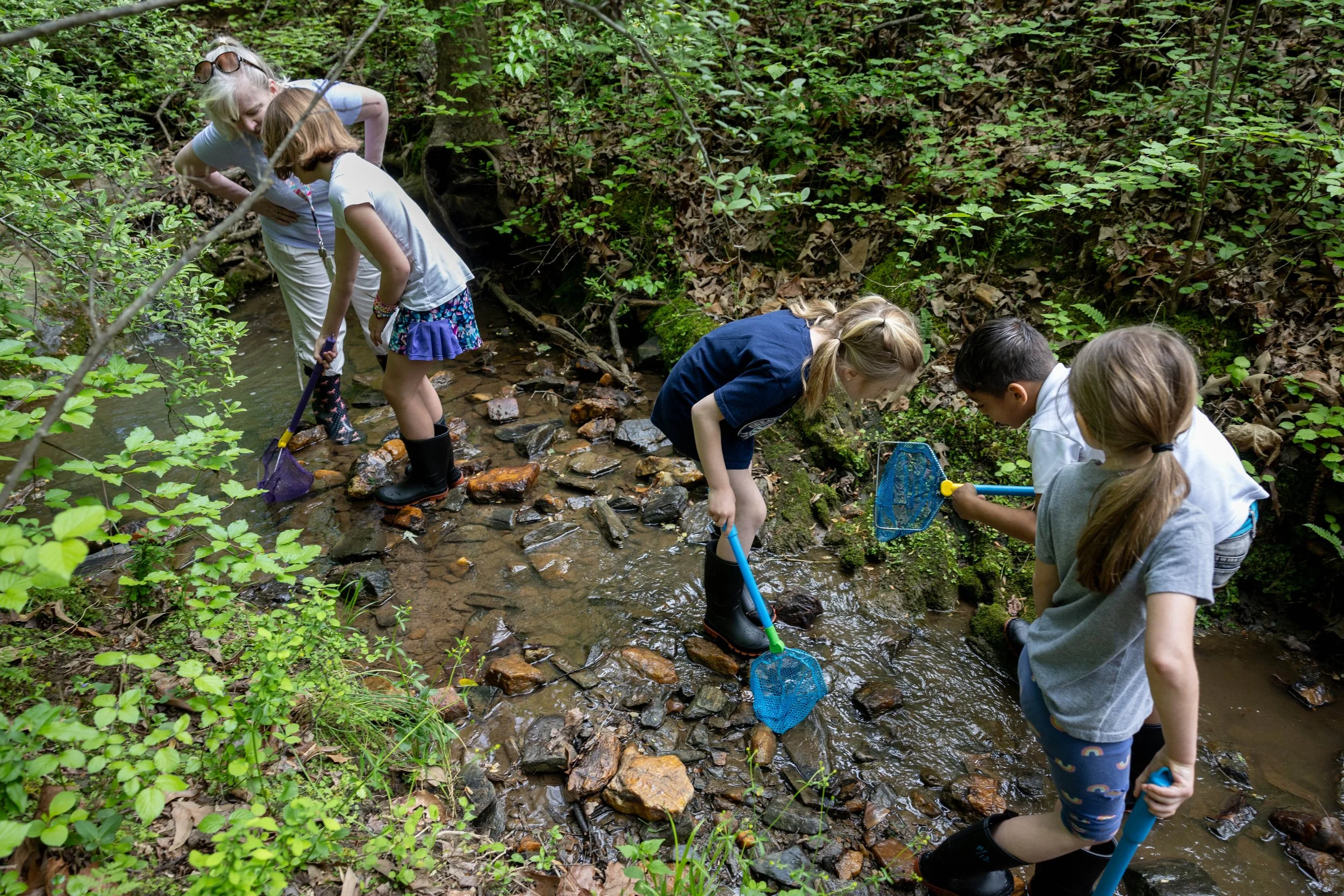
How over 1,400 students discovered the power of nature at Camp Kum‑Ba‑Yah Nature Center in 2025.
Every year, thousands of children across Central Virginia step into the woods at Camp Kum‑Ba‑Yah Nature Center and experience something increasingly rare in childhood: unstructured time in nature, hands‑on learning, and the chance to explore the world with curiosity and confidence.
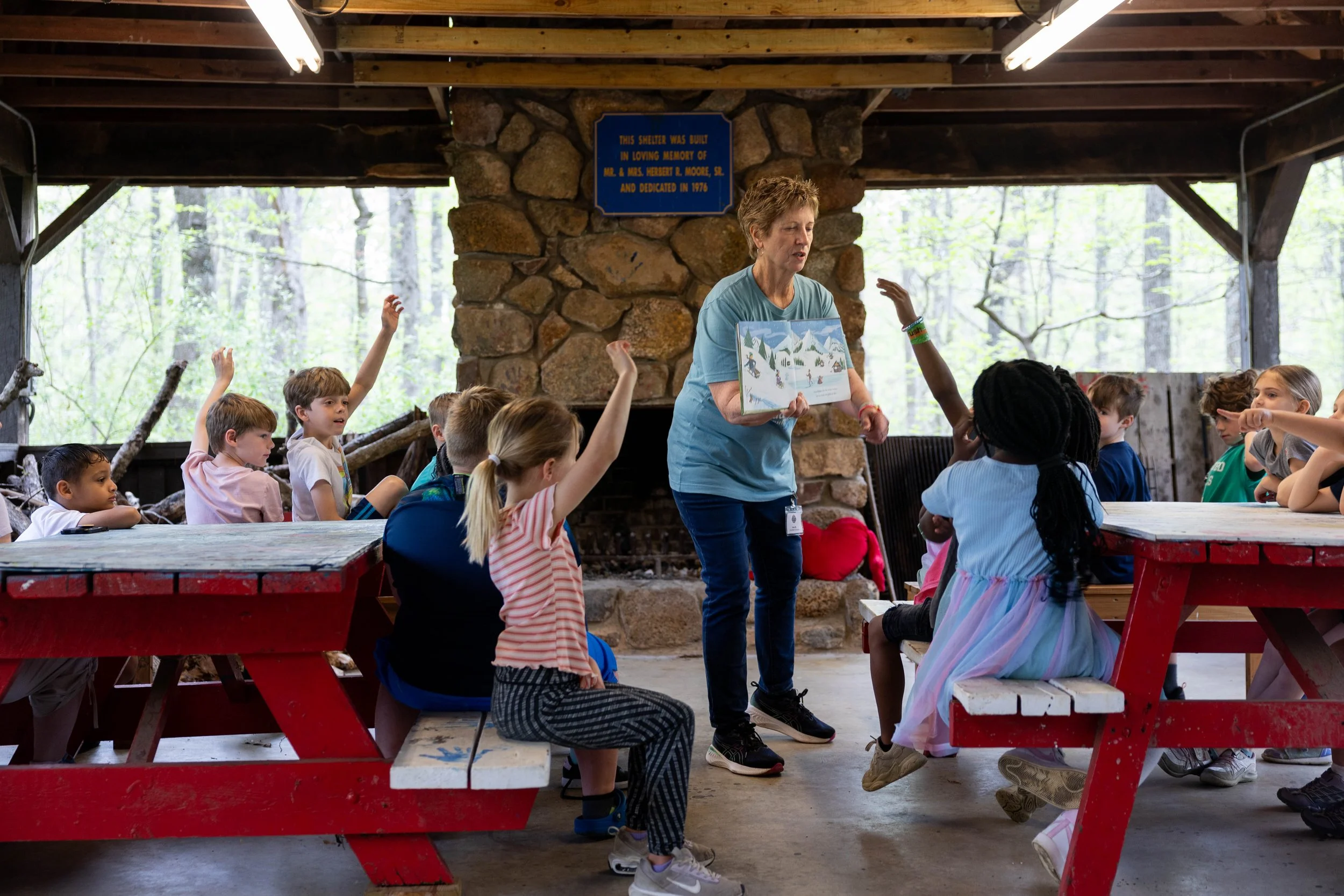
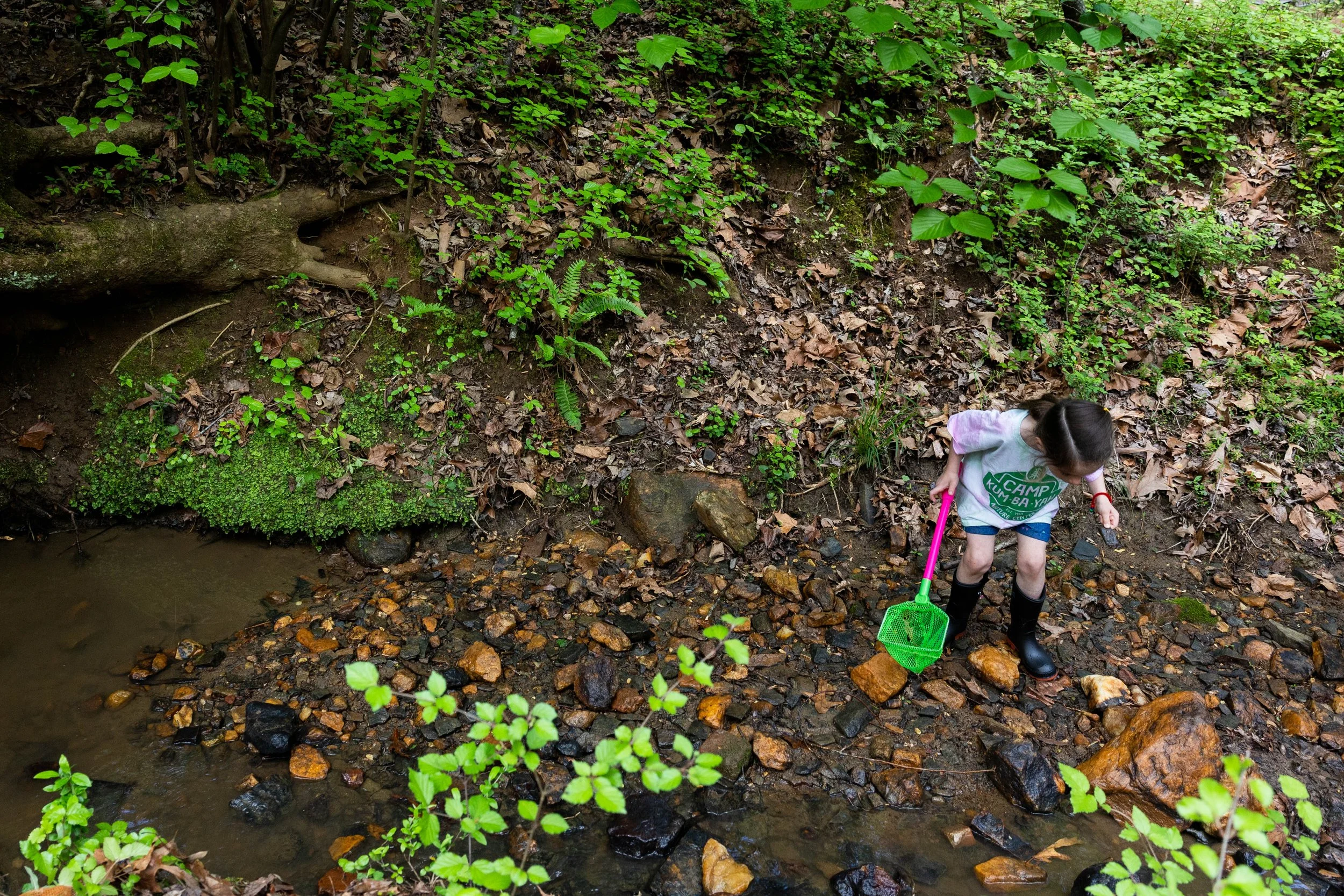
In 2025 alone, more than 1,400 students visited CKBY on school field trips, not just from Lynchburg, but from Amherst, Bedford, Campbell County, and beyond. These visits weren’t simply “fun days outside.” They were powerful, research‑supported learning experiences that shape how young people understand themselves, their community, and the natural world.
A major academic review published in People and Nature (2026) reinforces what we see every day at CKBY: environmental education is one of the most effective tools we have for building knowledge, confidence, stewardship, and lifelong connection to nature.
Here’s what the research, and our own experience, tells us.
🌱 1. Environmental education builds real academic and cognitive skills
The article synthesizes eight systematic reviews and finds that environmental education consistently improves:
Critical thinking and problem‑solving
Observation and inquiry skills
Science literacy
Academic achievement across subjects
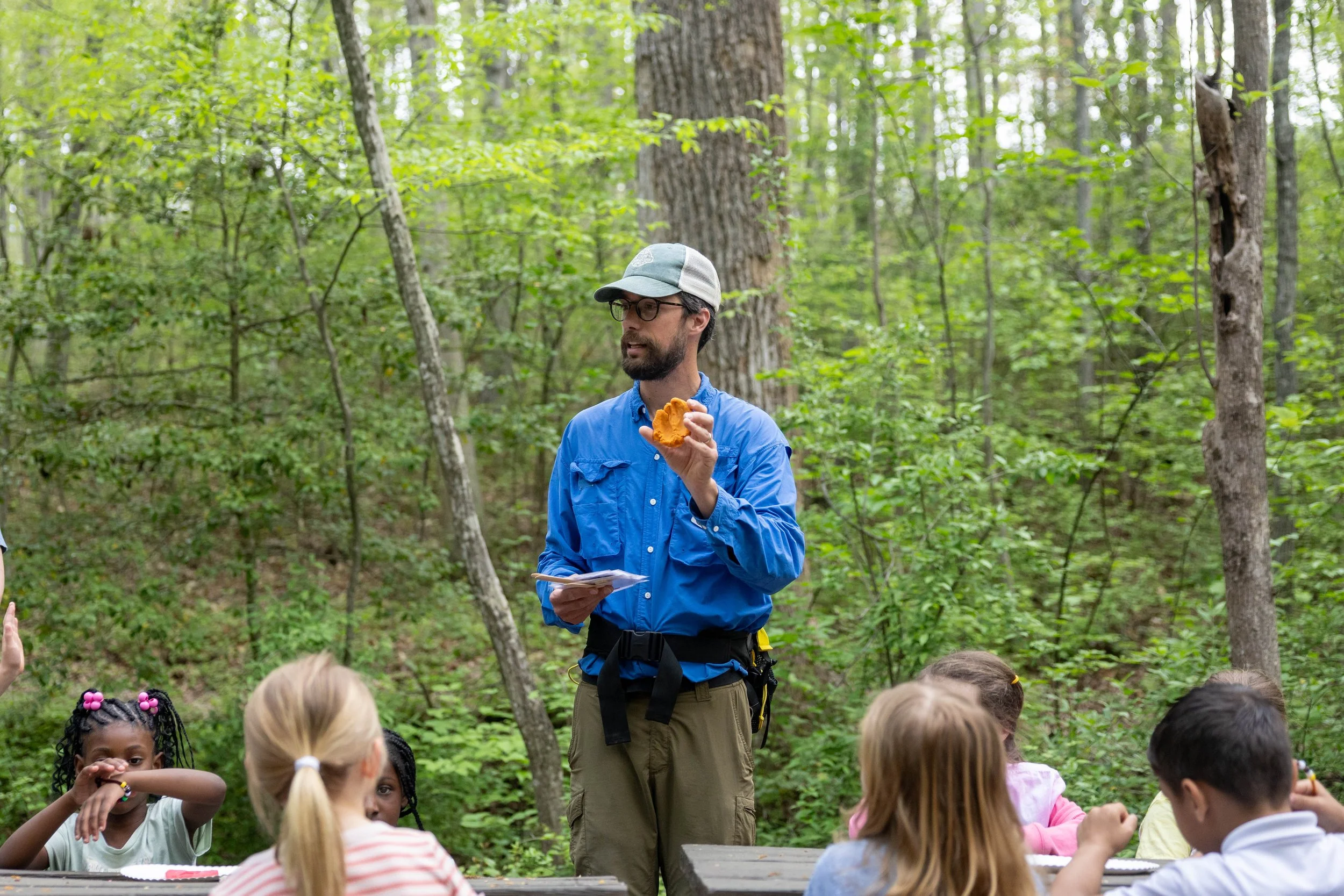
When students investigate tree rings, identify animal tracks, or explore biodiversity plots at CKBY, they’re not just learning science facts: they’re practicing the same analytical skills that support success in school and beyond.
🌿 2. Time in nature strengthens confidence, resilience, and personal growth
The research is clear: outdoor learning environments help young people develop:
Confidence in their abilities
Resilience when facing challenges
A sense of belonging and connection
Curiosity and intrinsic motivation
We see this every day.
A second grader proudly identifying her adopted tree.
A fifth grader writing a haiku inspired by the wind across Long Lake.
A group of students discovering the hidden world of insects in KinderWoods.
These moments matter. They build the foundation for confident, capable, compassionate young people.
🌎 3. Environmental education fosters stewardship and pro‑environmental behavior
One of the strongest findings in the article is that environmental education doesn’t just teach about nature: it changes how people act.
Students who participate in high‑quality environmental education are more likely to:
Care for natural spaces
Make environmentally responsible choices
Engage in community stewardship
Understand their role in protecting ecosystems
At CKBY, we see this spark ignite when students learn how trees grow, how animals adapt, or how seasonal changes shape the forest. They begin to see themselves as part of something bigger and as people who can make a difference.
🌳 4. Hands‑on, place‑based learning is the most effective approach, and it’s CKBY’s specialty
The article highlights that the most impactful environmental education programs share key features:
Outdoor, place‑based learning
Hands‑on investigation
Real‑world problem solving
Social collaboration
Repeated or extended engagement
This is exactly what CKBY offers.
Our 47‑acre urban forest, protected forever by conservation easement, is a living classroom where students can touch, observe, question, and explore. From tree cookies to biodiversity plots to sensory hikes, every lesson is rooted in direct experience.
🌟 5. Environmental education benefits entire communities
The research emphasizes that environmental education:
Strengthens community well‑being
Builds environmental literacy across generations
Supports long‑term conservation goals
Helps children develop healthier relationships with the outdoors
CKBY’s role as a year‑round nature center means these benefits ripple far beyond summer camp. Families walk the Cosby Trail. Teachers return year after year. Students bring home stories, questions, and new ways of seeing the world.
This is how a community grows stronger: one child, one classroom, one experience at a time.
💛 Your Support Makes This Possible
CKBY’s environmental education programs are made possible by donors who believe that every child deserves access to nature, regardless of background or income.
Your generosity helps us:
Keep field trip costs low for schools
Provide high‑quality, standards‑aligned lessons
Maintain trails, habitats, and outdoor learning spaces
Train staff and educators
Expand programming to reach more students across Central Virginia
When you support CKBY, you’re not just funding a field trip.
You’re investing in curiosity, confidence, stewardship, and the next generation of environmental leaders.
🌲 Help Us Continue This Work
If you believe in the power of nature to transform young lives, and if you want to help us reach even more students in 2026, we invite you to support CKBY’s year‑round programming.
Together, we can ensure that every child has a place to explore, learn, and grow.
Because when children discover the world, they discover themselves.
Garden Day Lunch Pre‑Orders Are Now Open!
Lunch pre-orders are now available for Garden Day 2026. Guests can select from four fresh offerings from the Farm Basket served between 11 and 2 at Camp Kum-Ba-Yah Nature Center.
We’re excited to welcome visitors to Camp Kum‑Ba‑Yah Nature Center for Garden Day 2026 on April 21 as part of Historic Garden Week in Virginia. Whether you’re touring Lynchburg’s beautiful homes and gardens or simply enjoying a spring day outdoors, we’d love to have you join us for lunch at camp in the Schewel-Clark Family Cottage.
Our Garden Day boxed lunch menu is now available, and pre‑orders are officially open! Lunch will be served from 11:00 AM to 2:00 PM at Camp Kum‑Ba‑Yah, with overflow parking across Boonsboro Rd. at Peakland United Methodist Church.
Pre‑orders are required and must be placed before April 13. Each Farm Basket lunch is $20 and prepared fresh for Garden Day guests.
You can view the full menu and place your order here:
👉 https://www.campkumbayah.org/garden-day
We look forward to welcoming you to camp for a delicious lunch and a beautiful day celebrating Historic Garden Week in Lynchburg.
Now Hiring 2026 Summer Camp Counselors
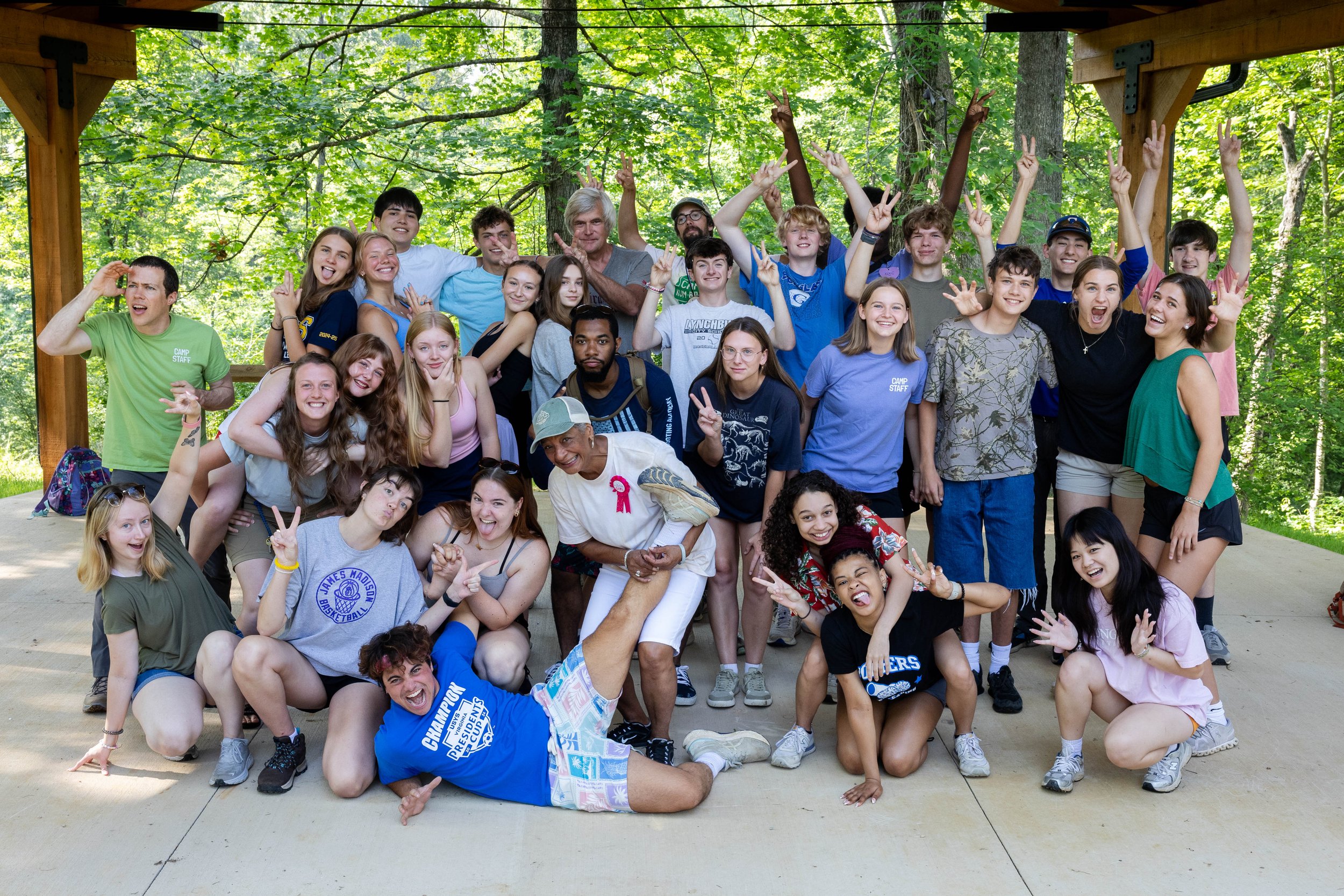
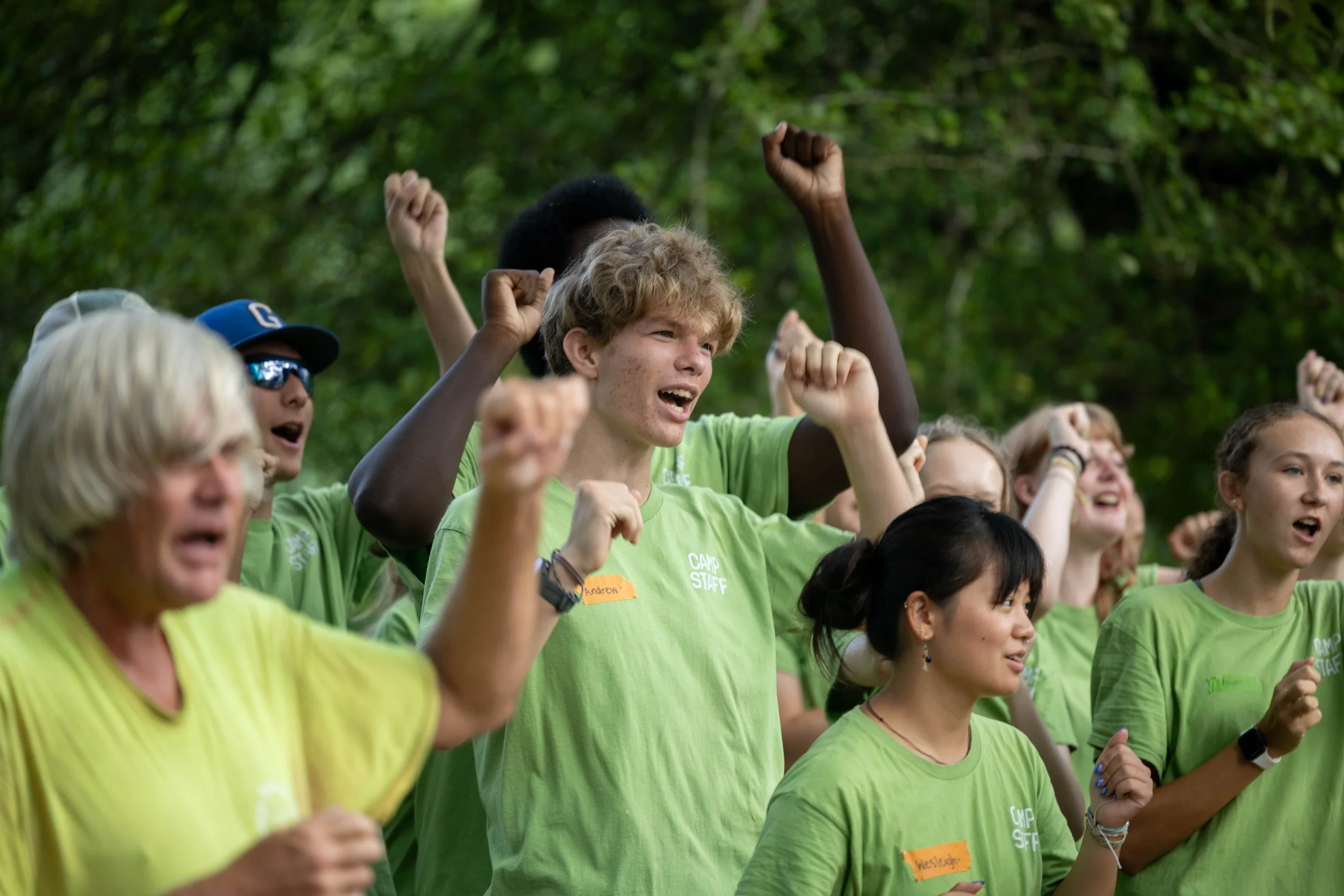
Applications are open for Camp Kum-Ba-Yah Nature Center’s 2026 camp counselors. Discover how summer camp jobs develop leadership, teamwork, and professional skills while creating meaningful experiences for children in our 75th year of camp.
🌞 Now Hiring: Camp Counselors for Summer 2026 🌞
Camp Kum-Ba-Yah Nature Center is now accepting applications for camp counselors for Summer 2026.
Camp positions offer exceptional leadership development, hands-on experience, and skill-building opportunities that translate directly to the professional world. Regardless of college major or career path, former counselors consistently report that their camp experience strengthened their communication, teamwork, and management skills — qualities employers value across industries.
Beyond professional growth, camp counselors have the opportunity to make a meaningful impact in the lives of children while being part of a supportive, mission-driven community. As we prepare for our 75th year of summer camp, we invite passionate, thoughtful leaders to help carry this legacy forward.
🔗 Apply online:
https://www.campkumbayah.org/summer-positions
#Hiring #LeadershipDevelopment #StudentJobs #SummerEmployment #CampCounselor #NonprofitCareers #ProfessionalGrowth #CampKumBaYah #75YearsOfCamp 🌲
On Bev Cosby’s 100th Birthday
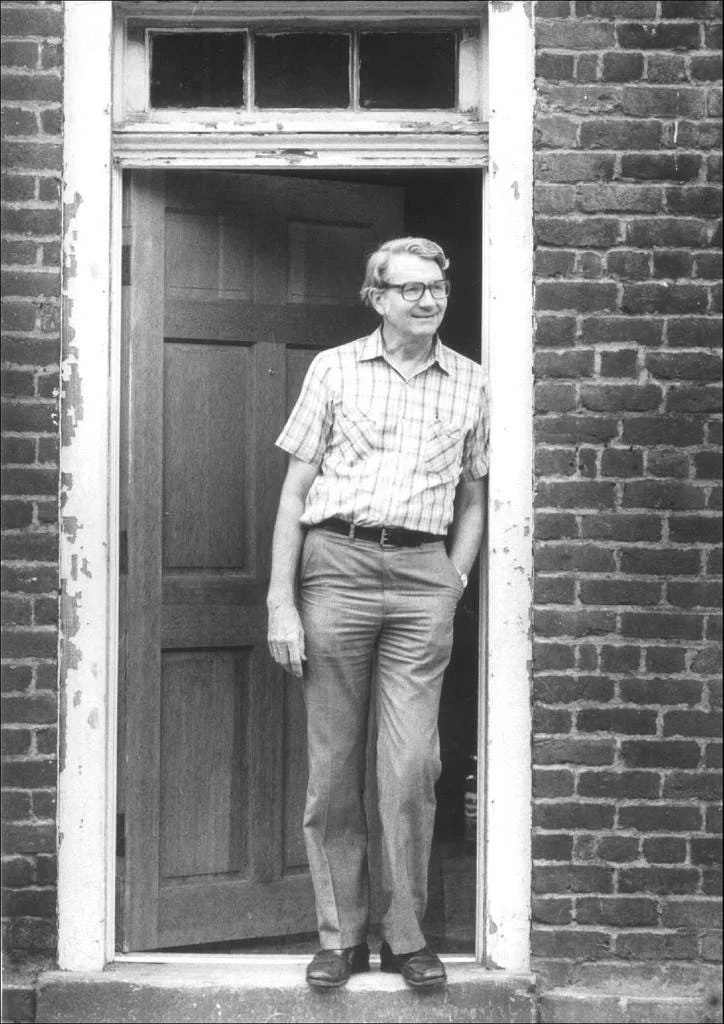
Born January 28th, 1926, Bev Cosby would have been 100 years old today. This brief biography was generously written by Randy Nelson, a lifelong friend of Camp Kum-Ba-Yah.
BEVERLY ROY “BEV” COSBY
Beverly Roy “Bev” Cosby was born in Lynchburg, Virginia on January 28, 1926 and died on January 21, 2002, which was, fittingly, the day on which the Commonwealth honored the memory of Dr. Martin Luther King, Jr.
Bev attended Lynchburg College, served in the United States Navy during World War II, then obtained a Bachelor’s Degree from American University. He worked in his father’s insurance company before earning a Bachelor of Divinity Degree from Union Theological Seminary in New York City, where he was ordained to the ministry at Riverside Church.
In 1950, Bev and his brothers and two close friends founded the “Lynchburg Christian Fellowship” ministry on property acquired from Bev’s father and located in what was then Bedford County, Virginia. That organization changed its name to Lynchburg Covenant Fellowship (LCF) in 1974, to demonstrate greater inclusivity.
Bev was soft-spoken and shy, but had a powerful and lasting impact on Lynchburg. On October 4, 1954, he began the Church of The Covenant, an ecumenical church aligned with the Congregational branch of the United Christian Church, Disciples of Christ. Bev chose that alliance because it authorized inter-racial worship. Bev and his new church members’ viewpoints contrasted with Lynchburg’s highly conservative and segregated traditions and attitudes. Bev advocated for social and racial inclusivity, believing that “everyone has a gift” and that individuals and communities’ benefit by identifying and promoting personal “gifts” and recognizing the “specialness of difference.” Bev later expressed "the need for bridging the gap between religion and life, between church and business, between the secular and the sacred," and few would doubt that Bev Cosby bridged that gap. Bev and his church were publicly criticized for his quiet campaign for racial justice, but his opponents were practically defenseless, for he was neither an outsider, a rabble-rouser, nor an extremist; he was, after all, one of them.
A foremost mission of LCF was to establish an outdoor summer day camp for children. Now known as Camp Kum-Ba-Yah Nature Center, that camp and Bev’s church became highly controversial in July 1961, when Lynchburg’s city leaders sought to prevent racial integration of public facilities by closing all city swimming pools. In response, Bev promptly opened the Camp’s pools to Afro-Americans.
In March, 1962, Dr. Martin Luther King, Jr. visited Bev’s “Lodge of The Fishermen” coffeehouse, in recognition and appreciation of Bev’s ministries. The Lodge of The Fishermen was one of only two dining facilities in Lynchburg where persons of different races could dine together.
LCF was instrumental in establishing low-income housing by purchasing and renovating: the house at 412 Madison Street, the old Moose Lodge at 700 Federal Street, the old Lynchburg High School on Park Avenue, the Frank Roane School, the Joseph Nichols Tavern, and constructing the Shalom Apartments.
Bev’s quiet, un-assuming and casual air, coupled with his hands-on approach, established programs that positively impacted a multitude of people throughout Lynchburg and beyond. Today, few programs exist for Lynchburg's poor, homeless, disabled, or disadvantaged that were not initiated by Bev Cosby, who by remaining in the background and allowing others to take credit for his initiatives, multiplied his effectiveness. He promoted the establishment of vital Lynchburg entities, such as Lynchburg Restoration and Housing Program, Miriam's House, the Haven, Elizabeth’s Early Learning Center, The Wood Ministry, The Gateway, Interfaith Outreach (Kum-Ba-Yah Association), The Lodge of the Fishermen, New Land Jobs, an AID’s hospice home, and ARC of The Blue Ridge.
Bev’s avoidance of personal attention or public praise even led him to decline an invitation to attend a Lynchburg City Council session wherein he was awarded the “Mayor’s Award of Excellence” for his outstanding service to that city. Now, there is also a Bev Cosby memorial fund to continue his work.
After his death, a joint resolution of the Commonwealth of Virginia’s House of Delegates and Senate concurring, expressed the esteem in which Bev was held by the members of the General Assembly and the people of Lynchburg.
John Randolph “Randy” Nelson
Lynchburg, Virginia
2026 Camp Registration Update
All 2026 summer camp sessions have reached capacity and gone to waitlist. We are deeply thankful to our camp families for your continued support and for the trust you place in us to care for and enrich the lives of your children. We look forward to a meaningful and historic 75th year of camp together.
Dear CKBY Families,
We are grateful to share that all 2026 Summer Camp sessions at Camp Kum-Ba-Yah Nature Center are now full and have moved to waitlists.
Families who wish to join a waitlist for a specific session may do so by completing the standard online registration and selecting the session they would like to be added to. Should space become available, families will be contacted in the order registrations are received.
If you have questions about transferring to a different session, scholarships, or payment arrangements, please reach out to our Programs Director, Gage McAngus, at programs@ckby.org.
We extend our sincere thanks to our camp families for your continued support and for the trust you place in us to care for and enrich the lives of your children. As we look ahead to a wonderful and historic 75th year of camp, we are deeply grateful to share this milestone with such a committed community.
Thank you for being part of our Camp Kum-Ba-Yah Nature Center family.
Historic Pools at Camp Kum-Ba-Yah Nature Center
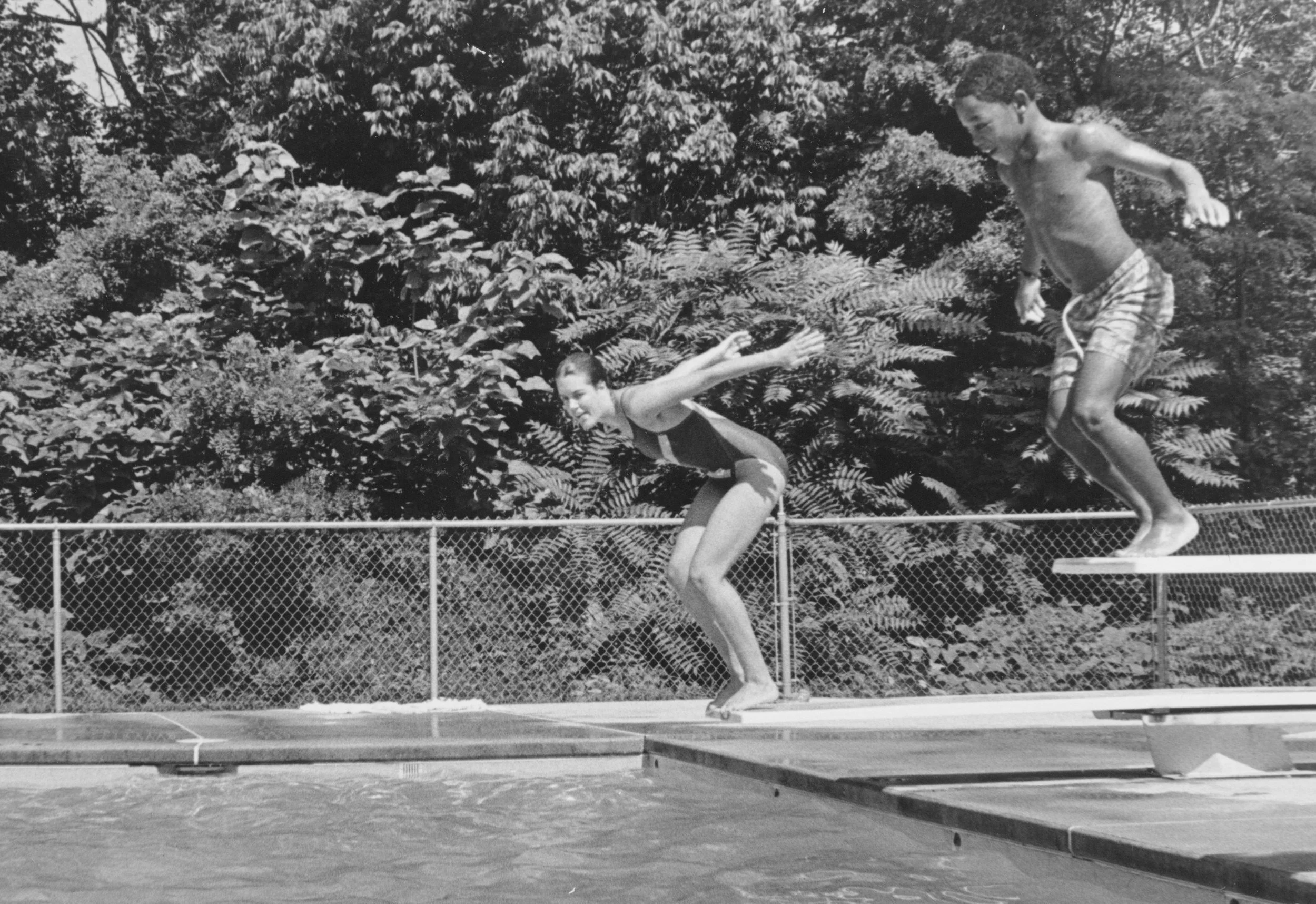
Camp Kum-Ba-Yah’s historic pools opened in 1961 and remain a beloved fixture of the camp experience each year.
More Than a Pool: The Historic Waters of Camp Kum-Ba-Yah Nature Center 🌲
For generations of campers, the swimming pools at Camp Kum-Ba-Yah Nature Center have meant laughter, relief from the summer heat, and some of the best memories of camp. Yet these pools are more than a place to swim: they are living witnesses to a defining moment in Lynchburg’s Civil Rights history and to Camp Kum-Ba-Yah’s enduring commitment to inclusion.
The first pools opened in 1961 to support the growing summer day camp program established by Lynchburg Christian Fellowship under the leadership of Rev. Beverly Roy “Bev” Cosby. From the very beginning, the camp was founded on a radical and simple belief for its time: all children deserved a place to play, explore nature, and feel a sense of belonging .
That belief was tested in that summer.
At the time, Lynchburg, like much of the South, was deeply segregated. When African American families sought access to public swimming pools, city leaders chose to close all municipal pools rather than integrate them. In response, Bev Cosby made a courageous and controversial decision: he opened Camp Kum-Ba-Yah’s pools to the entire community, welcoming Black and white children to swim together at a moment when such an act was considered unthinkable by many .
The consequences were immediate. Some white families withdrew their children from camp. Angry phone calls followed. Campers, both Black and white, were jeered and criticized simply for sharing the water together. Yet the pools remained open. During that summer, Camp Kum-Ba-Yah became the site of Lynchburg’s first racially integrated public swimming, offering a safe and joyful refuge at a time when public spaces across the city were closing their doors .
This moment was not an isolated act of defiance, but part of a broader legacy of justice rooted in the camp’s founding values. Just months later, in 1962, Dr. Martin Luther King, Jr. would visit the Camp Kum-Ba-Yah grounds, meeting with local leaders at the Lodge of the Fishermen, one of the only places in Lynchburg where people of different races could gather together safely. The pools, like the Lodge and the camp itself, stood as quiet but powerful symbols of what community could look like when fear gave way to courage.
Today, campers splash, swim, and cool off in those same pools. Every visit carries forward a legacy of bravery, welcome, and moral clarity. These waters remind us that Camp Kum-Ba-Yah Nature Center has always been about more than recreation. It has been about creating spaces where children are free to be children and where the values of dignity, justice, and community are lived out in real and tangible ways.
As we approach our 75th year of summer camp in 2026, we honor the history held in these pools and recommit ourselves to the vision that shaped them: a camp, a community, and a future where all children are welcome.
75 Years of Camp!
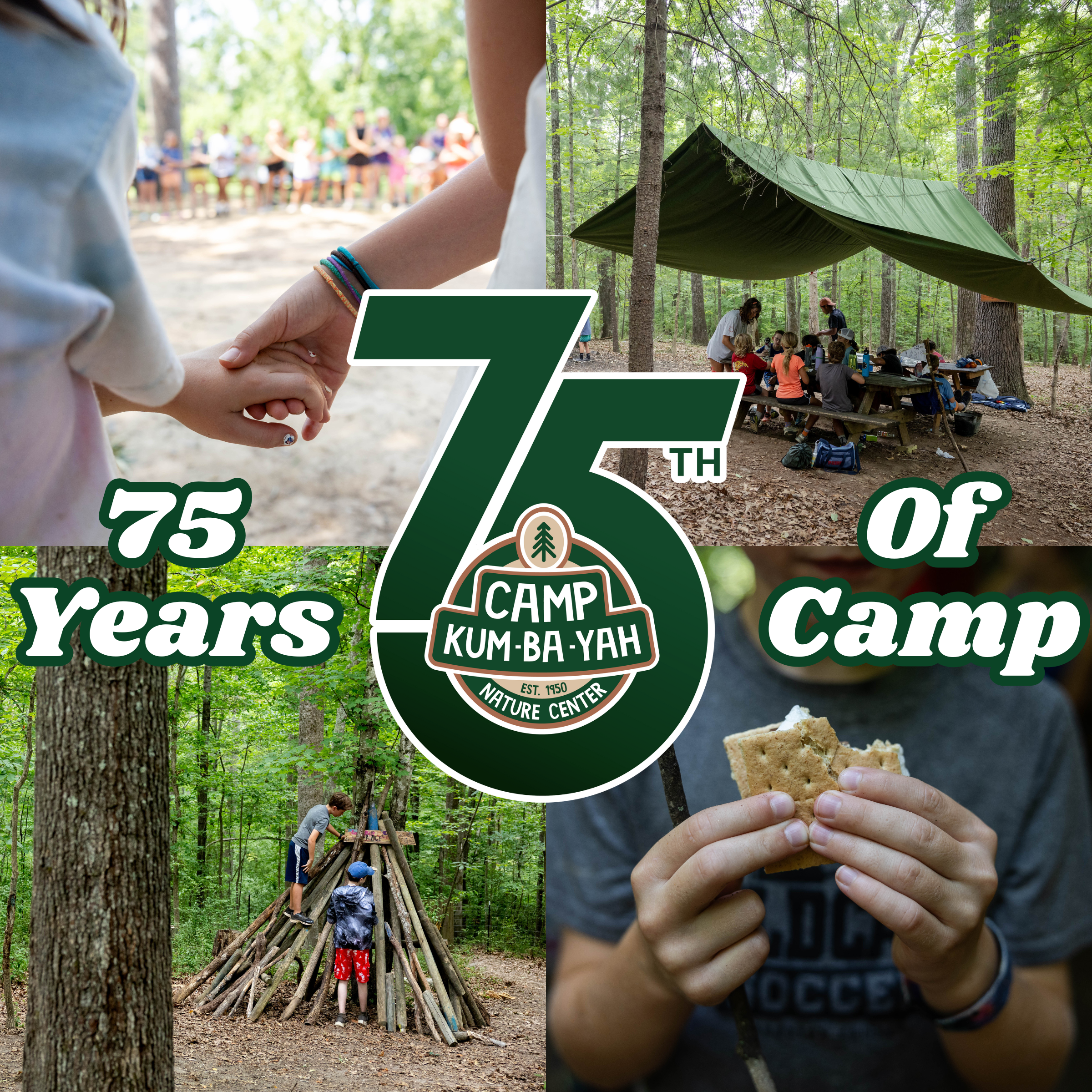
2026 marks the 75th year of summer programming at CKBY. As we welcome new friends and old this summer, we celebrate the shared traditions and legacy that stretch across the years and gather the next generation of campers to this special place.
Celebrating 75 Years of Summer Camp at Camp Kum-Ba-Yah Nature Center 🌲
In 2026, Camp Kum-Ba-Yah Nature Center will celebrate a remarkable milestone: our 75th year of summer camp. Because there was no camp season in 2020 due to the COVID-19 pandemic, the summer of 2026 represents the 75th summer of camp since our beginnings: an enduring tradition rooted in community, inclusion, and a deep love for children and the outdoors.
Our story began in 1950, when the late Rev. Beverly Roy “Bev” Cosby and his family helped found Lynchburg Christian Fellowship, guided by a simple but powerful question: “Where will our children play?” That question led to the creation of an outdoor day camp on family land: an idea that would grow into something far bigger than anyone could have imagined.
As the organization evolved, so did its name, reflecting a widening circle of welcome. Lynchburg Christian Fellowship later became Lynchburg Covenant Fellowship, signaling a commitment to greater inclusivity. Over time, the camp itself became widely known as Camp Kum-Ba-Yah, a place where children from all walks of life could gather to play, learn, and belong. In recent years, as year-round environmental education and community programming expanded, the organization became Camp Kum-Ba-Yah Nature Center, honoring both its camp roots and its broader mission today.
Throughout these changes, one thing has remained constant: a belief that every child deserves access to nature, joyful experiences, and a community where they are valued. From its early role in social justice and integrated recreation to its present-day programs serving families, schools, and campers across our region, Camp Kum-Ba-Yah has always been about more than summer fun; it has been about shaping lives and strengthening our community .
As we look ahead to this historic 75th year of camp, we do so with gratitude for all who have made this journey possible and with excitement for what lies ahead. We are proud to carry forward this lasting tradition: serving children from every corner of our community and helping them discover joy, confidence, and connection in the natural world.
School Field Trips at CKBY
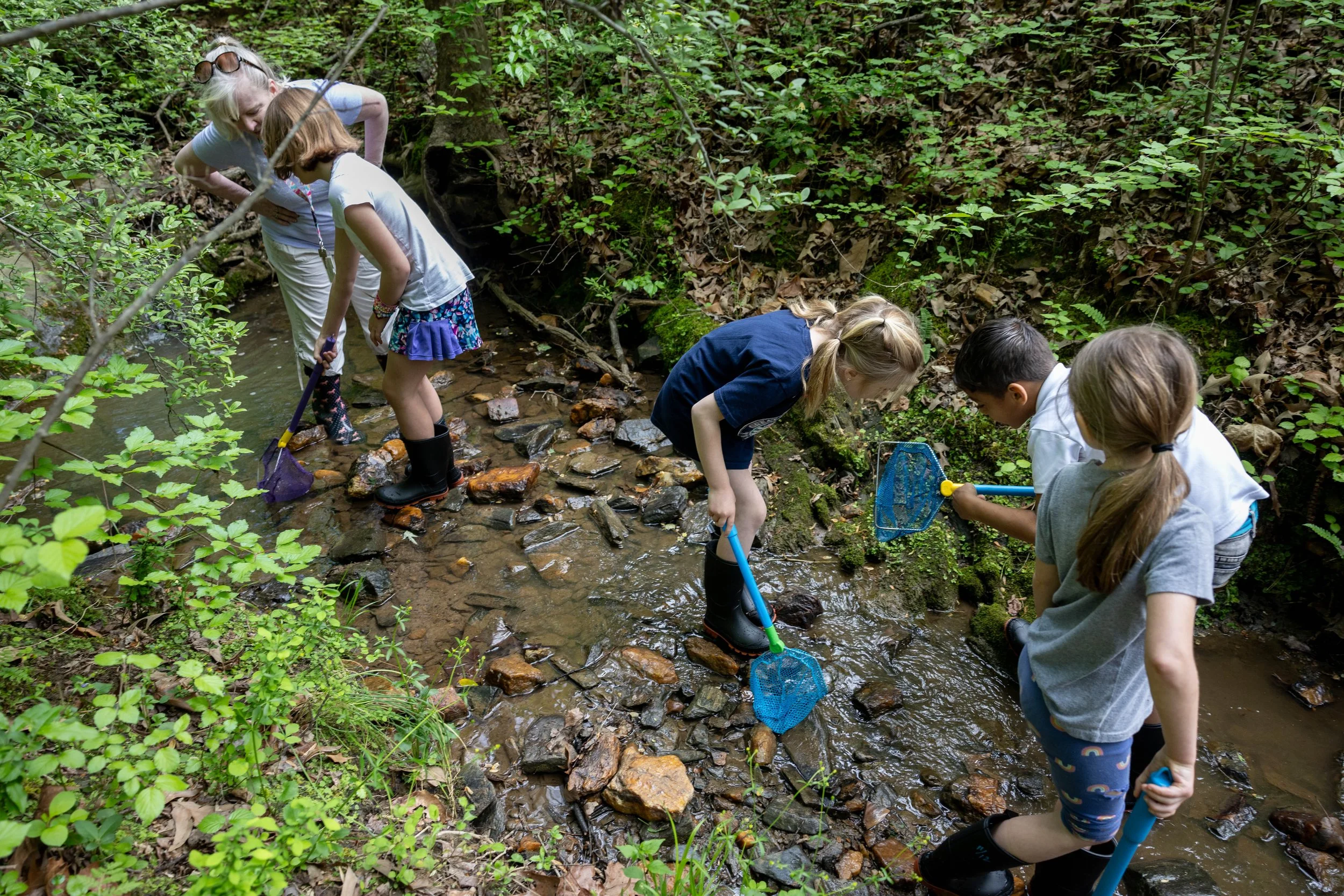
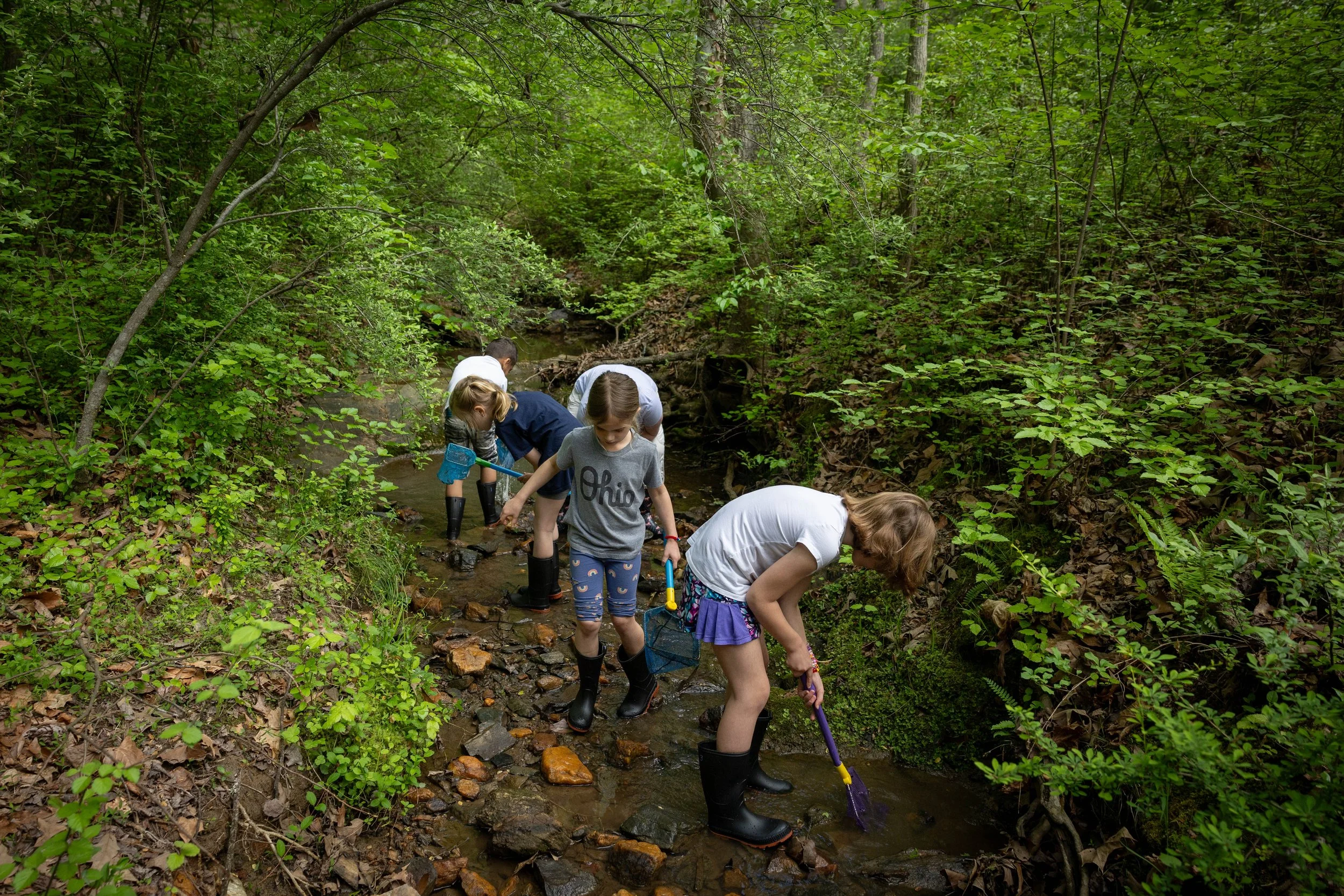
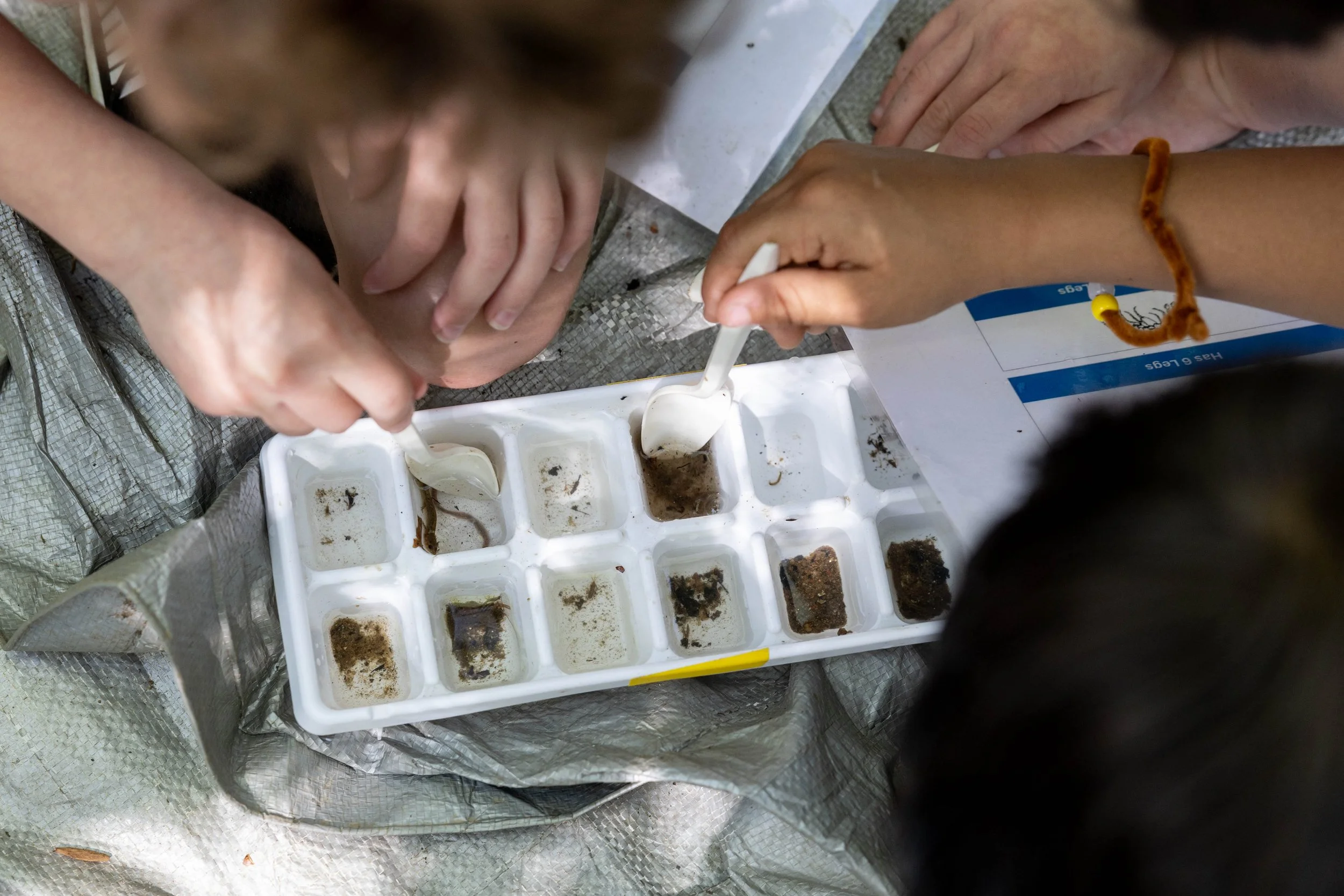
Camp Kum-Ba-Yah Nature Center serves over 1,200 students each school year ranging from Pre-K to middle school. Activities are correlated to VA standards of learning (SOL’s) and serve student groups from across Central Virginia.
Learning Comes Alive on Field Trips at Camp Kum-Ba-Yah Nature Center
School field trips to Camp Kum-Ba-Yah Nature Center offer students something increasingly rare: the opportunity to step outside the classroom and engage directly with the natural world. Situated on 47 acres of protected urban forest in the heart of Lynchburg, CKBY provides hands-on outdoor learning experiences that support academic instruction while fostering curiosity, confidence, and connection.
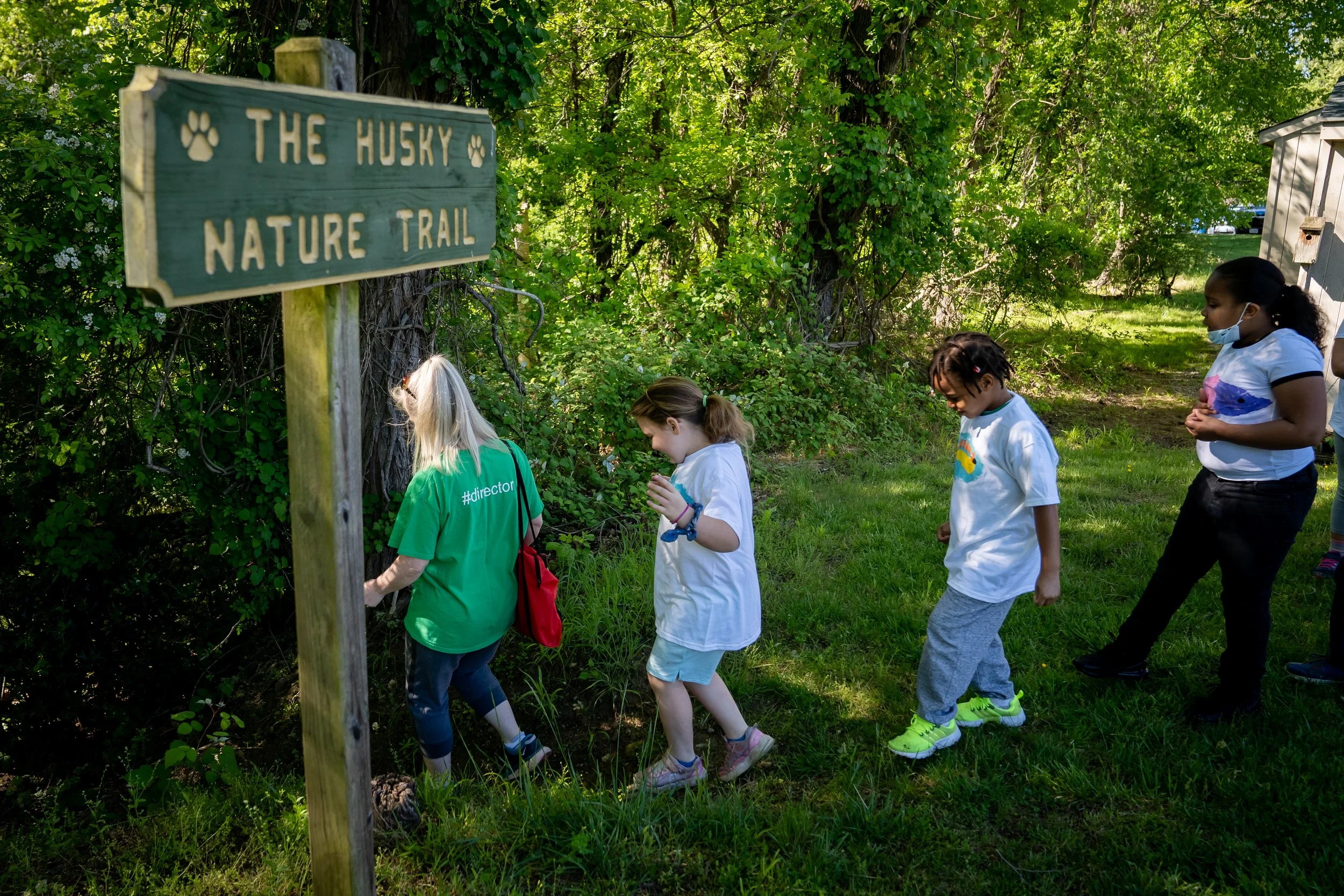
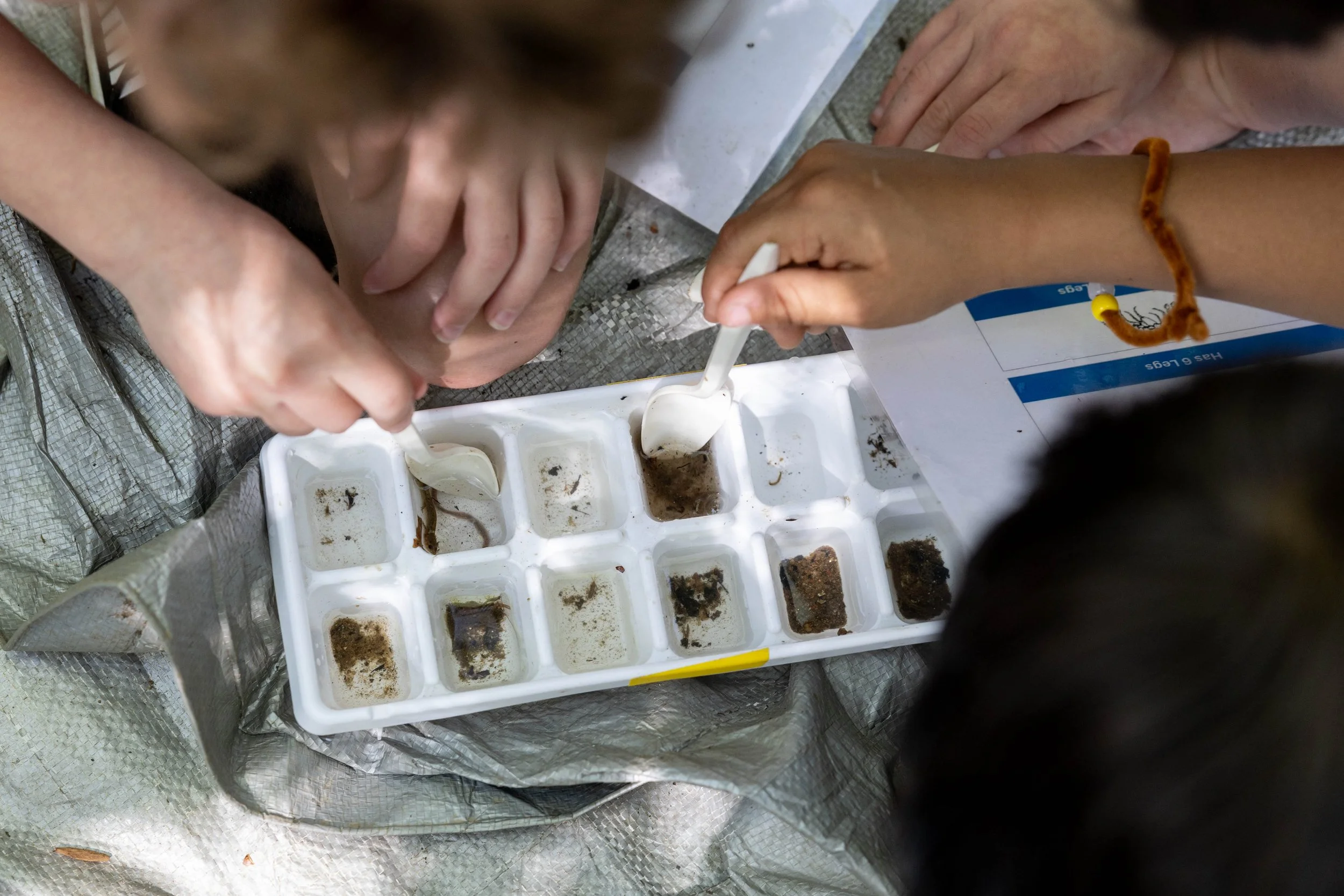
Working in partnership with schools in Lynchburg and the surrounding counties, Camp Kum-Ba-Yah Nature Center welcomes students from across the region for curriculum-aligned programs that emphasize environmental education, wellness, and experiential learning. Whether exploring Cosby Woods, walking the 1.25-mile Cosby Trail, or participating in guided nature lessons, students are encouraged to observe, question, and learn through doing.
CKBY’s outdoor classrooms and gathering spaces allow children of all ages to engage with science, ecology, and teamwork in meaningful ways. For many students, these field trips provide their first immersive experience in a natural setting—an opportunity to build confidence, strengthen peer relationships, and develop a lifelong appreciation for the outdoors.
As Camp Kum-Ba-Yah Nature Center enters its 75th year of summer camp, its commitment to serving students through outdoor education remains as strong as ever. School field trips are an essential part of this mission, helping to ensure that children from all walks of life have access to enriching, place-based learning experiences that extend far beyond the school day.